Chapters
Terrestrial Animals
Guide to Halal Animals · Ali Abuqlam
Text and original illustrations from the published edition. Use “Original page” to view the corresponding PDF page.
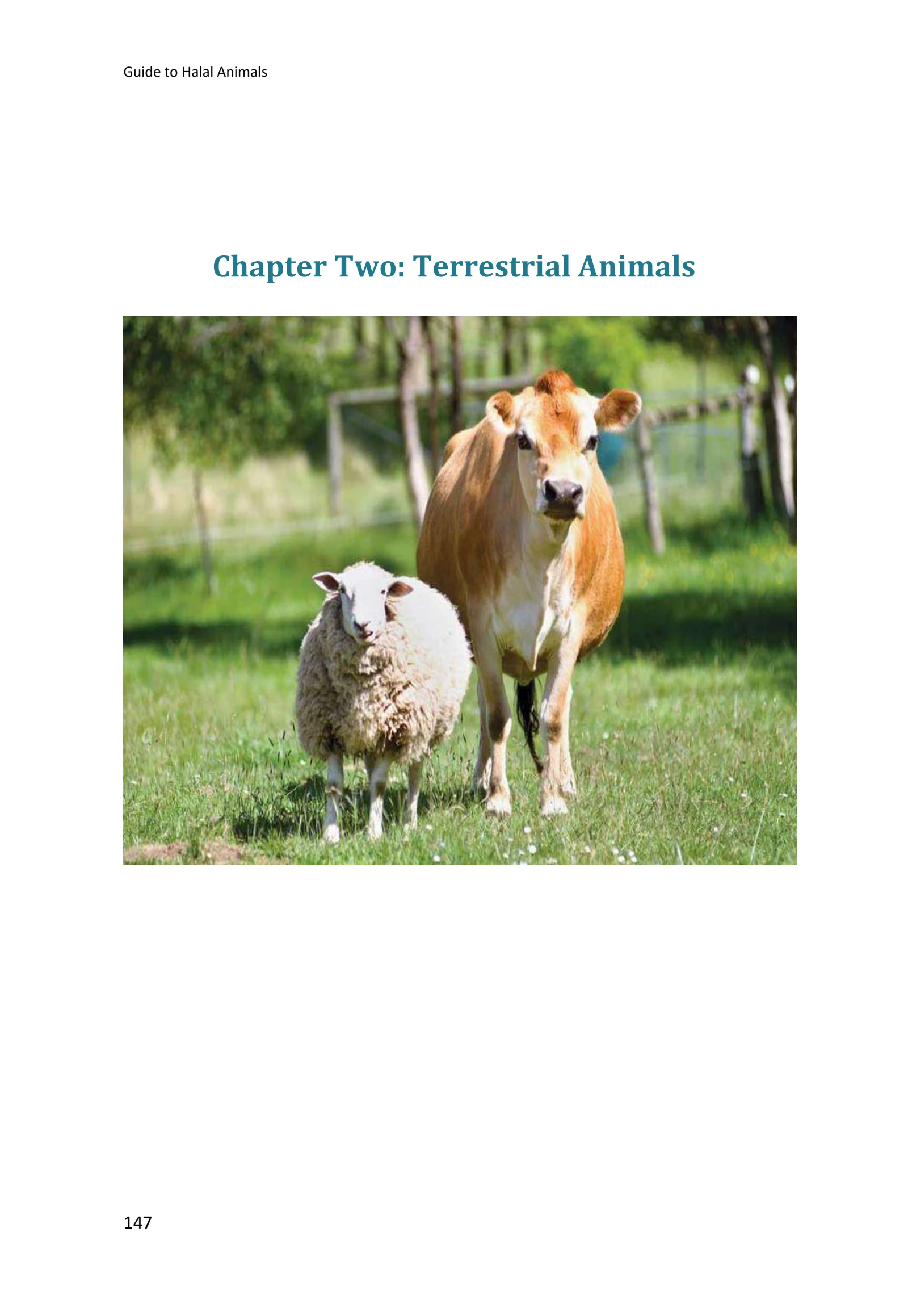
Chapter Two: Terrestrial Animals
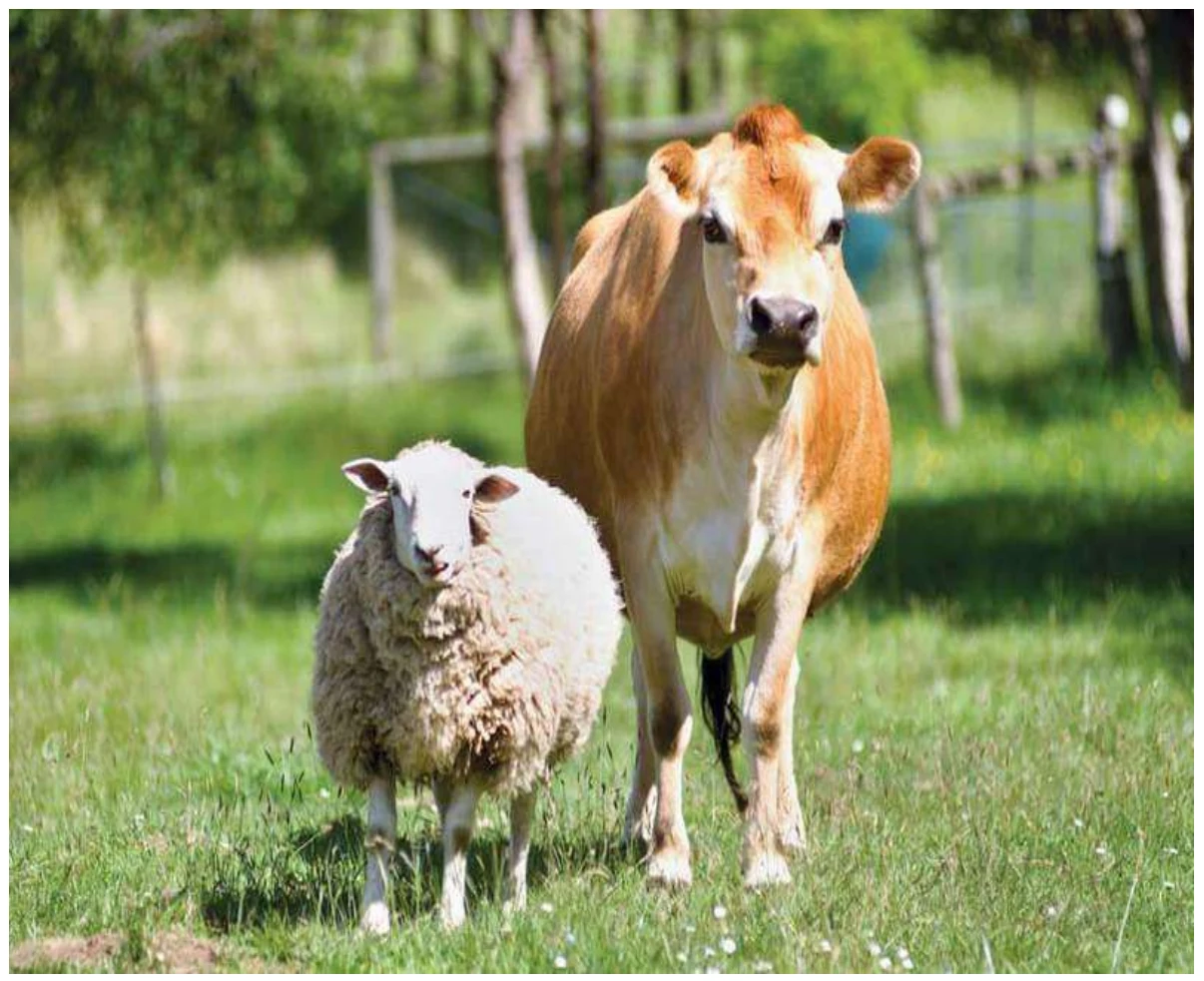
2. Terrestrial Animals
This chapter consists of the list of terrestrial animals which have been divided into three main categories:
Category 1
Animals are halal to eat, that includes bovids, camels, and deer. These animals are usually ruminant animals. It is a type of animal that eats its food by ruminating process. It digests food in two steps, primary chewing and ingestion in the normal way, then ruminating semi-digested ruminant food to re-chew it and thus extract the largest possible nutritional value from food.
Animals from the camel family undergo Tathkia and become halal to eat whether by the slaughtering or by Nahir. The rest of the terrestrial animals undergo Tathkia by slaughtering and cutting the four trunks (arteries).
Category 2
Animals are Makruh to eat, Makruh, that include transport animals or animals that humans ride (such as horses, donkeys, and mules). It also includes other animals such as kangaroos and zebras.
(He created horses, mules, and donkeys for you to ride and as a means of beauty. He has also created things that you do not know) [Quran, 16:8].
Category 3
Animals are haram to eat, Haram, that include predators such as felines, cats, canines, pigs and reptiles. These animals have a trait in common which is being predators, that is, they are dependant for food source on prey or smaller animals.
Included in this category are pigs and hyenas, which are known to eat the decaying flesh of dead animals, known as carrion.
Jurisprudence Introduction: “Tathkia” of terrestrial animals:
Terrestrial animals which are halal to eat must possess “Tathkia” in order to become halal for human consumption.
Tathkia is either by slaughter or nahir the animal, and they are as below:
Tathkia of camels from camel’s family is by nahir
The rest of the camelid’s family, excluding camels, can be by slaughter or nahir them.
All the rest of halal terrestrial animals is by slaughter them.
What Nahir is:
Camel is slaughtered while standing, with the neck fastened and folded just before the camel is slaughtered, so that it will not be subjected to torture.
Stabbing The pulp (pulp is the place of the necklace from the chest). This is the area where the camel is specifically slaughtered, which is located above the camel's chest, and this area is attached to the neck, and it is called “nahar”
Nahir is done by stabbing or inserting a knife or sword into the animal's core, just below its neck, once or twice or more.
- It is not permissible to cut off his head or be slaughtered before the animal dies due to nahir. - It is not required in nahir to cut the four arteries, but rather stab the animal and cut off some of the arteries that transport blood. - Nothing is required in nahir other than what is mentioned above.
Regarding slaughtering, it is obligatory to cut off the four arteries, the throat, pharynx, artery and vein, that are in the neck.
- It is haram to cut the spinal cord, however, if it has been cut, the slaughtered animal, carcase, wouldn’t be haram to eat
- Tathkia shall be by the hands of a Muslim, not by a machine. - It is permissible to slaughter with a sharp iron knife. There is no problem if the knife is of an alloy that has a percentage of iron in it, as it is the case of knives in the market.
Conditions for the authenticity of Tathkia by slaughtering:
- The animal should be directed to face Qibla direction, - Arteries of the animal shall be cut off by hand and by a Muslim - The name of God is mentioned on the animal while slaughtering.
As well as hunting, slouter of animals shall be perform by a muslim.
Whether hunting with a rifle, hunting animal, or a sharp object, “bismillah” shall be said while hunting. However, upon the hunter arrival to the hunted animal:
- If the animal is dead upon arrival, it is halal to eat
- If the animal still alive it should be slaughtered, otherwise, it is haram to eat
Halal to eat animal, wether killed by slaughter or Nahar, blood, spleen, genitals, bladder, cartilage and spinal cord are haram to eat, while kidney is Makruh to eat. The best part of the animal to eat is from the shoulders.
Important note:
Terrestrial animals, that are haram to eat, can possess Tathkia, once Tathkia process followed. This will result on their body parts, like skin, are regarded permissible for human use.
Dogs and pigs are exception from the above and Tathkia process is not applicable on these animals.
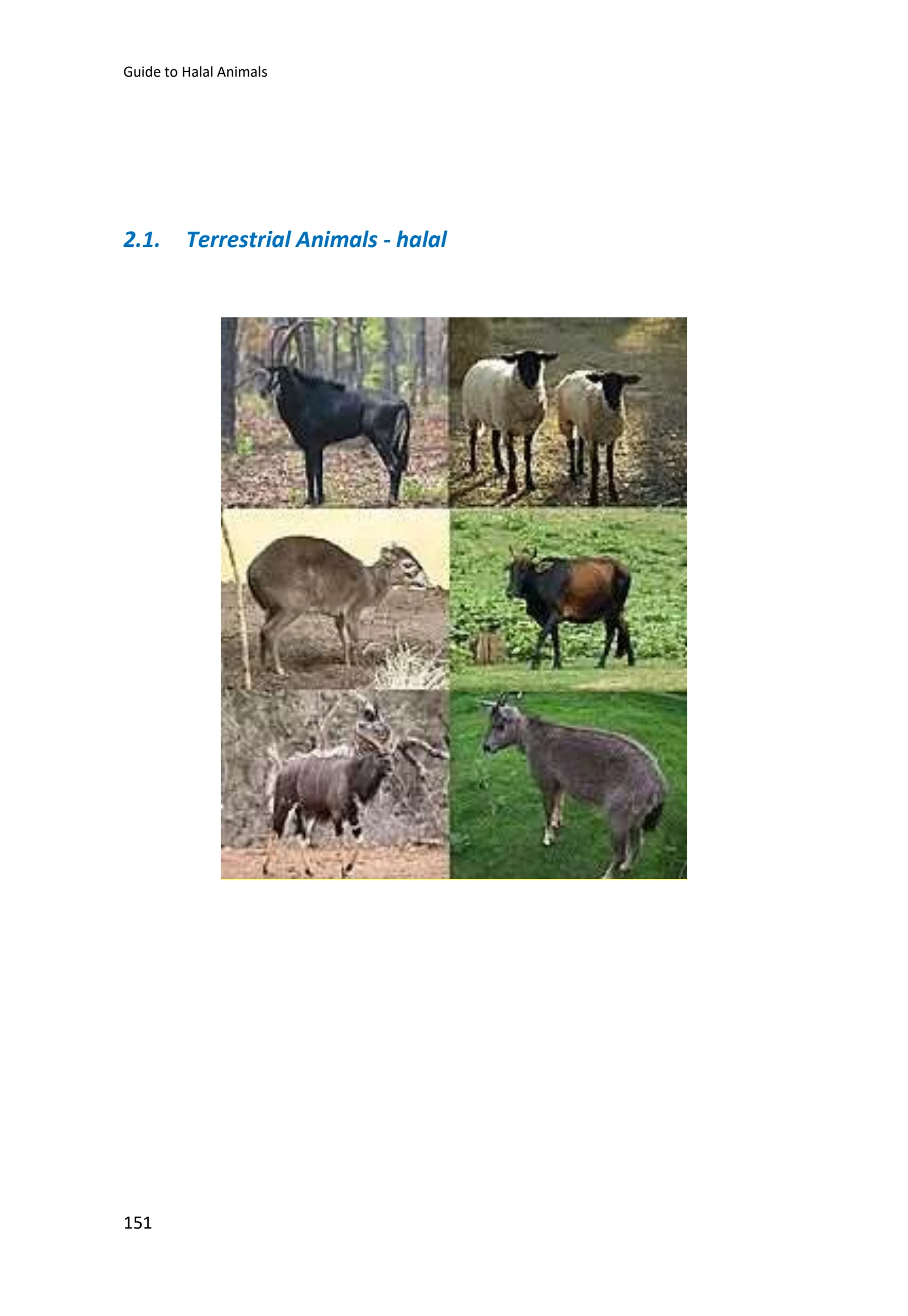
2.1. Terrestrial Animals - halal
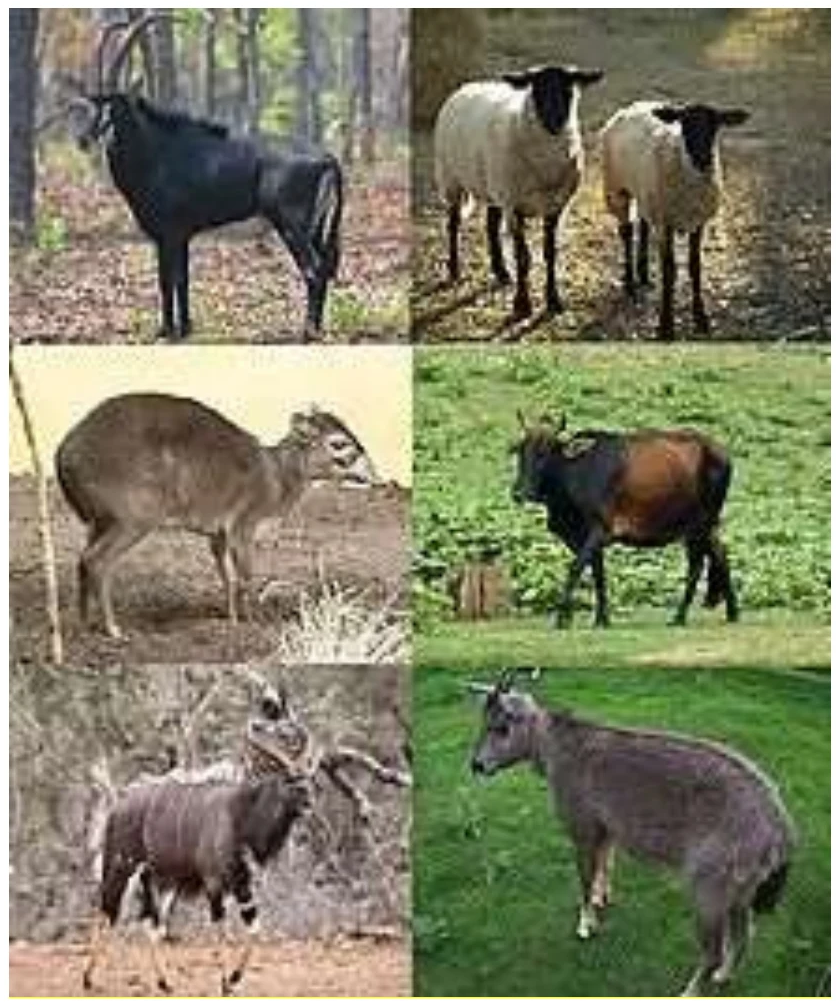
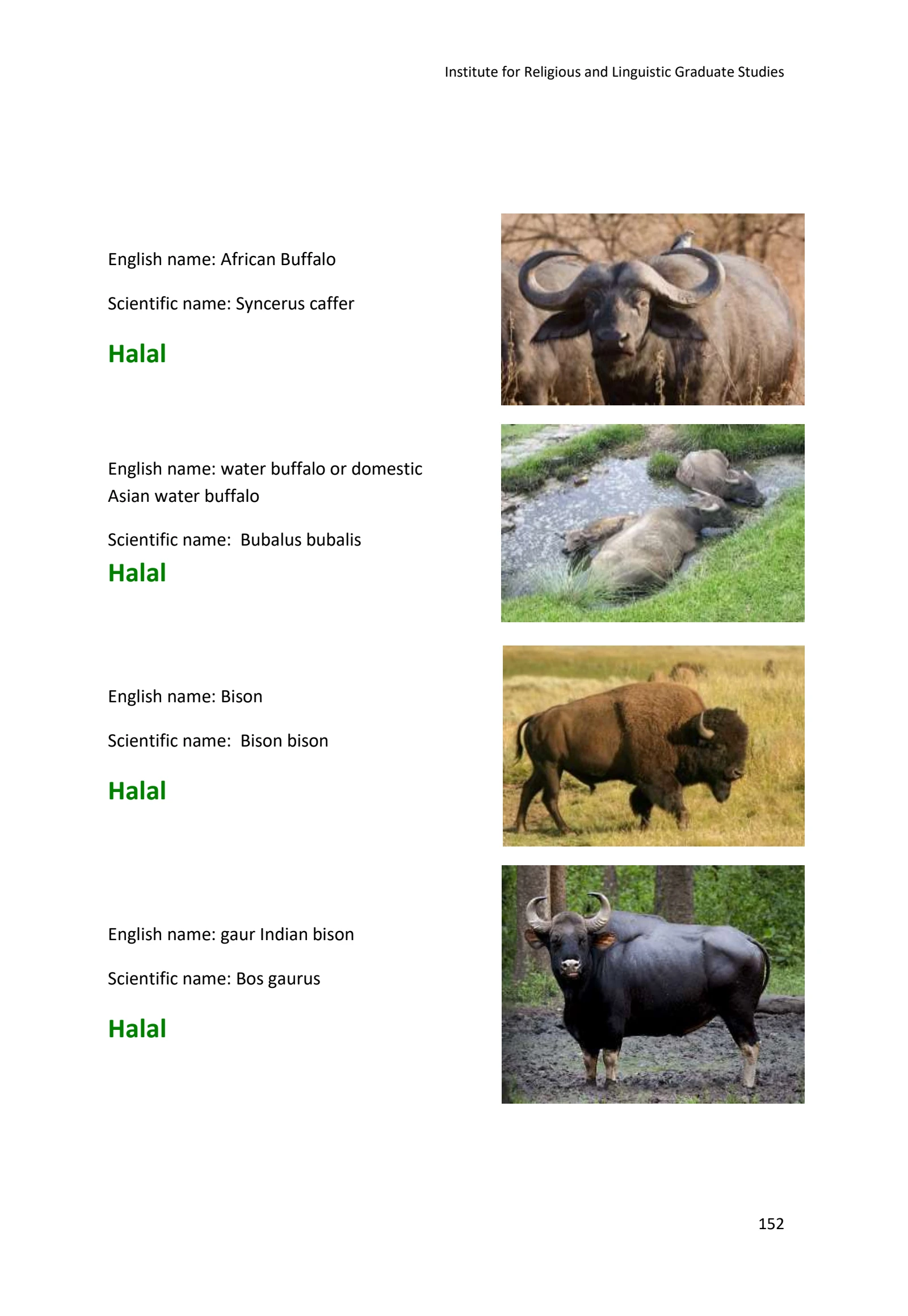
English name: African Buffalo
Scientific name: Syncerus caffer
Halal
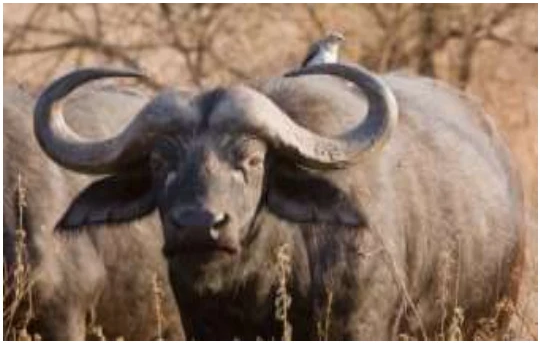
English name: water buffalo or domestic Asian water buffalo
Scientific name: Bubalus bubalis
Halal
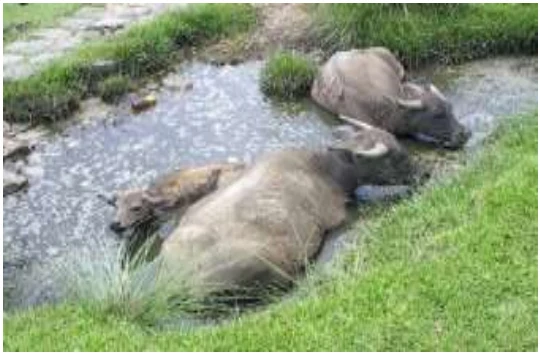
English name: Bison
Scientific name: Bison bison
Halal
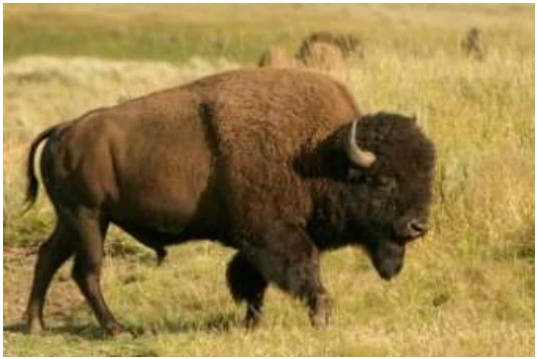
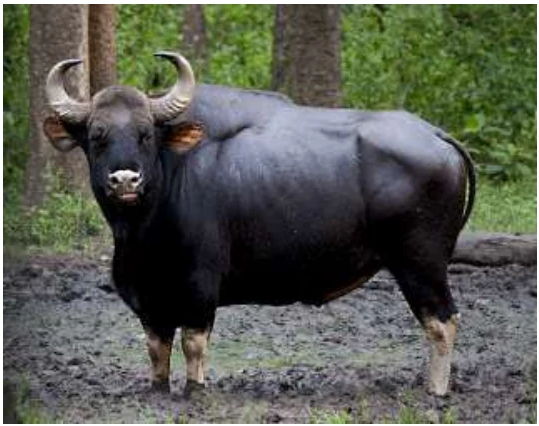
English name: gaur Indian bison
Scientific name: Bos gaurus
Halal
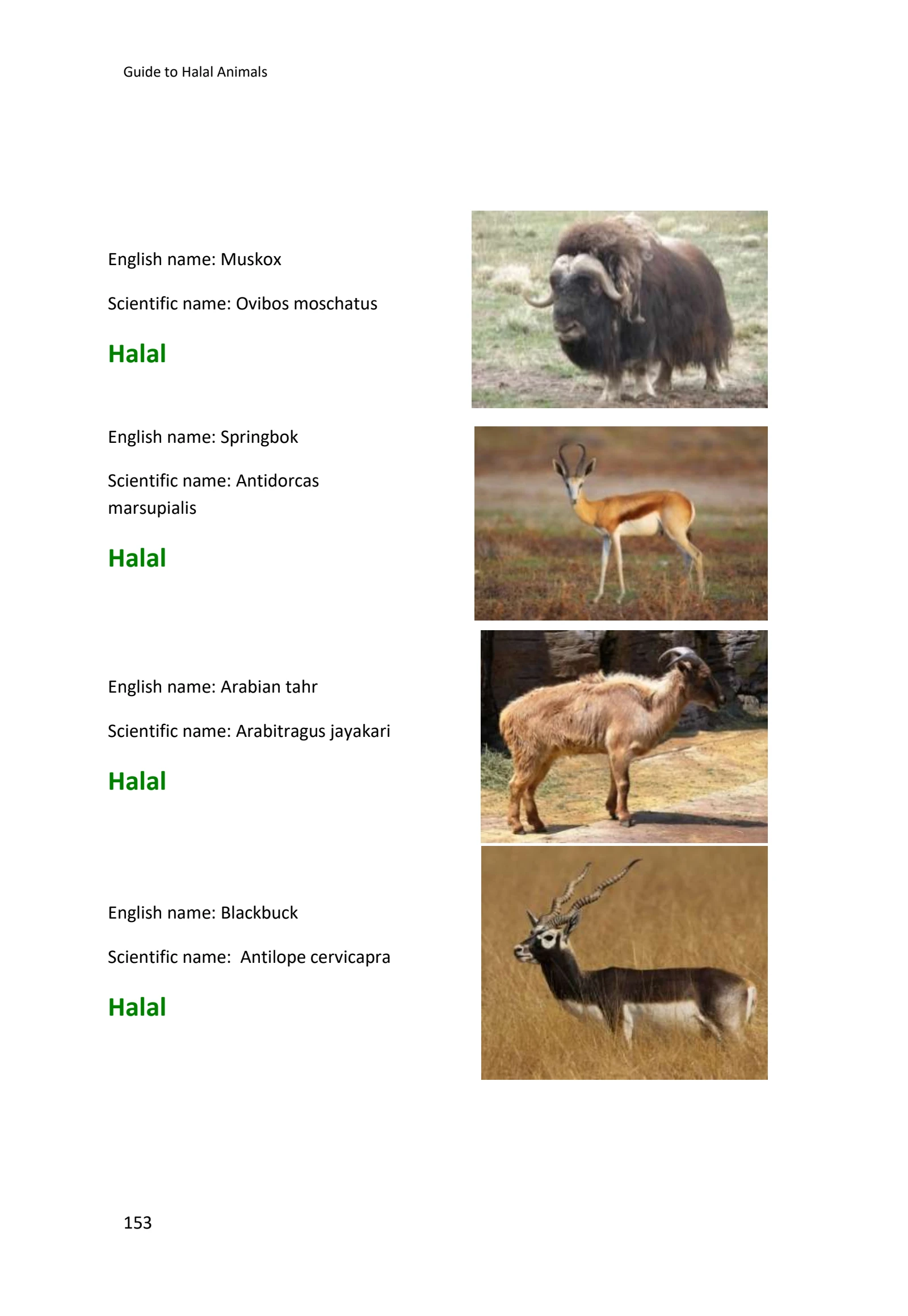
English name: Muskox
Scientific name: Ovibos moschatus
Halal
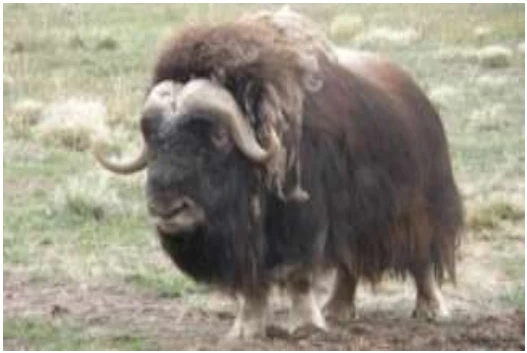
English name: Springbok
Scientific name: Antidorcas marsupialis
Halal
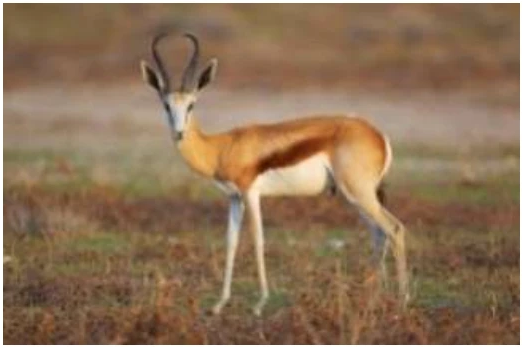
English name: Arabian tahr
Scientific name: Arabitragus jayakari
Halal
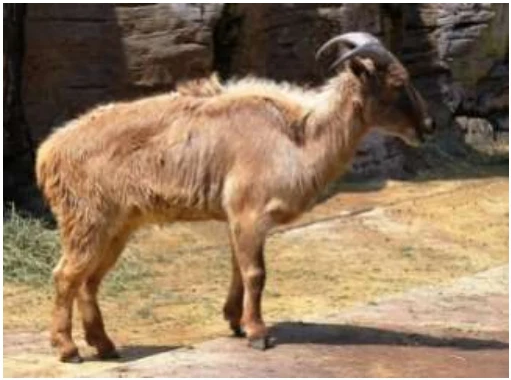
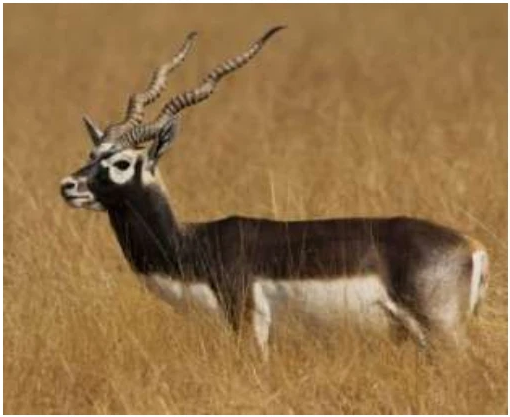
English name: Blackbuck
Scientific name: Antilope cervicapra
Halal
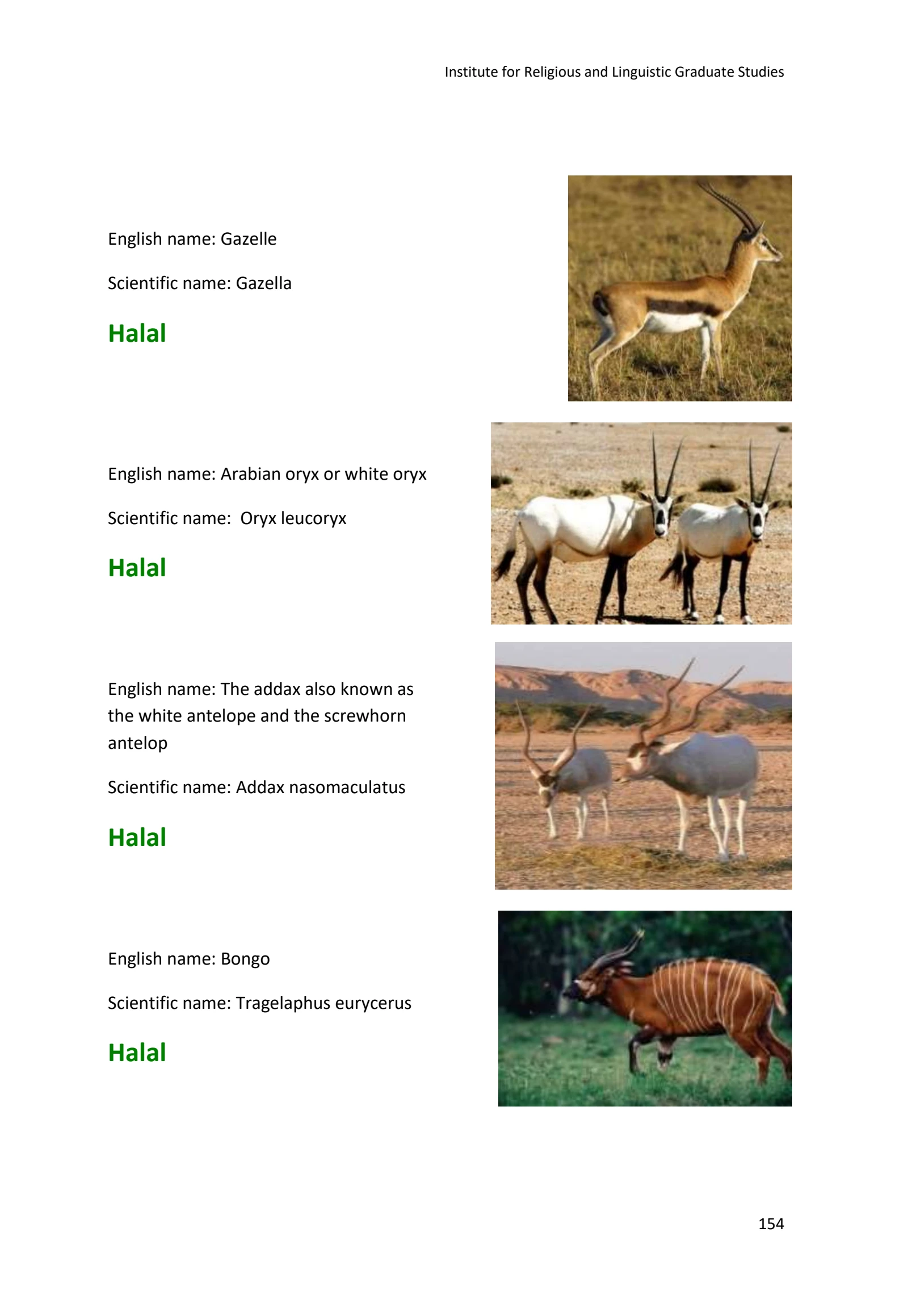
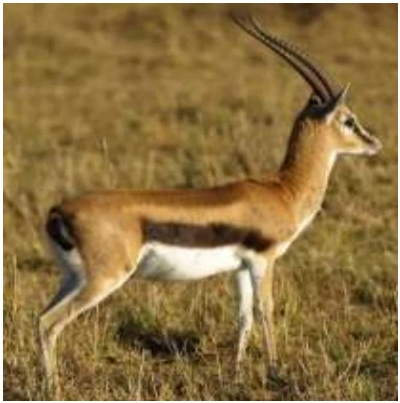
English name: Gazelle
Scientific name: Gazella
Halal
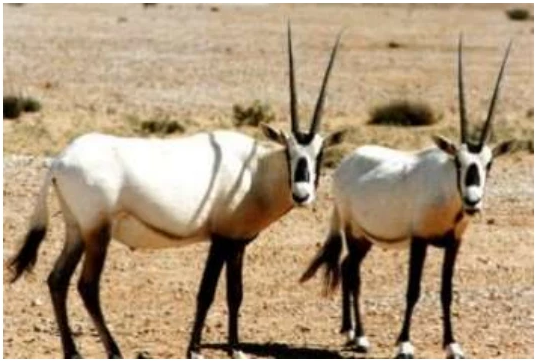
English name: Arabian oryx or white oryx
Scientific name: Oryx leucoryx
Halal
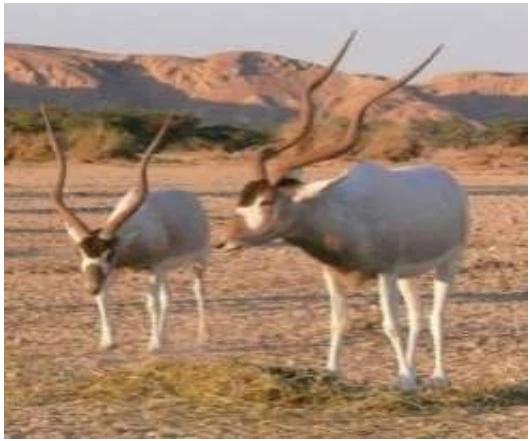
English name: The addax also known as the white antelope and the screwhorn antelop
Scientific name: Addax nasomaculatus
Halal
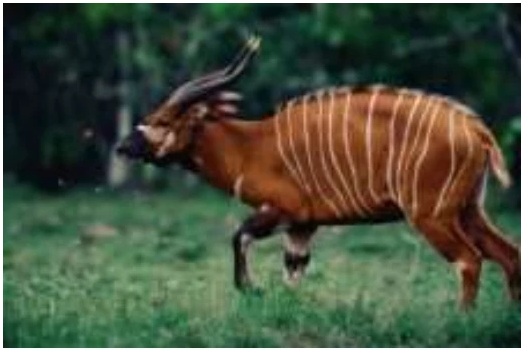
English name: Bongo
Scientific name: Tragelaphus eurycerus
Halal
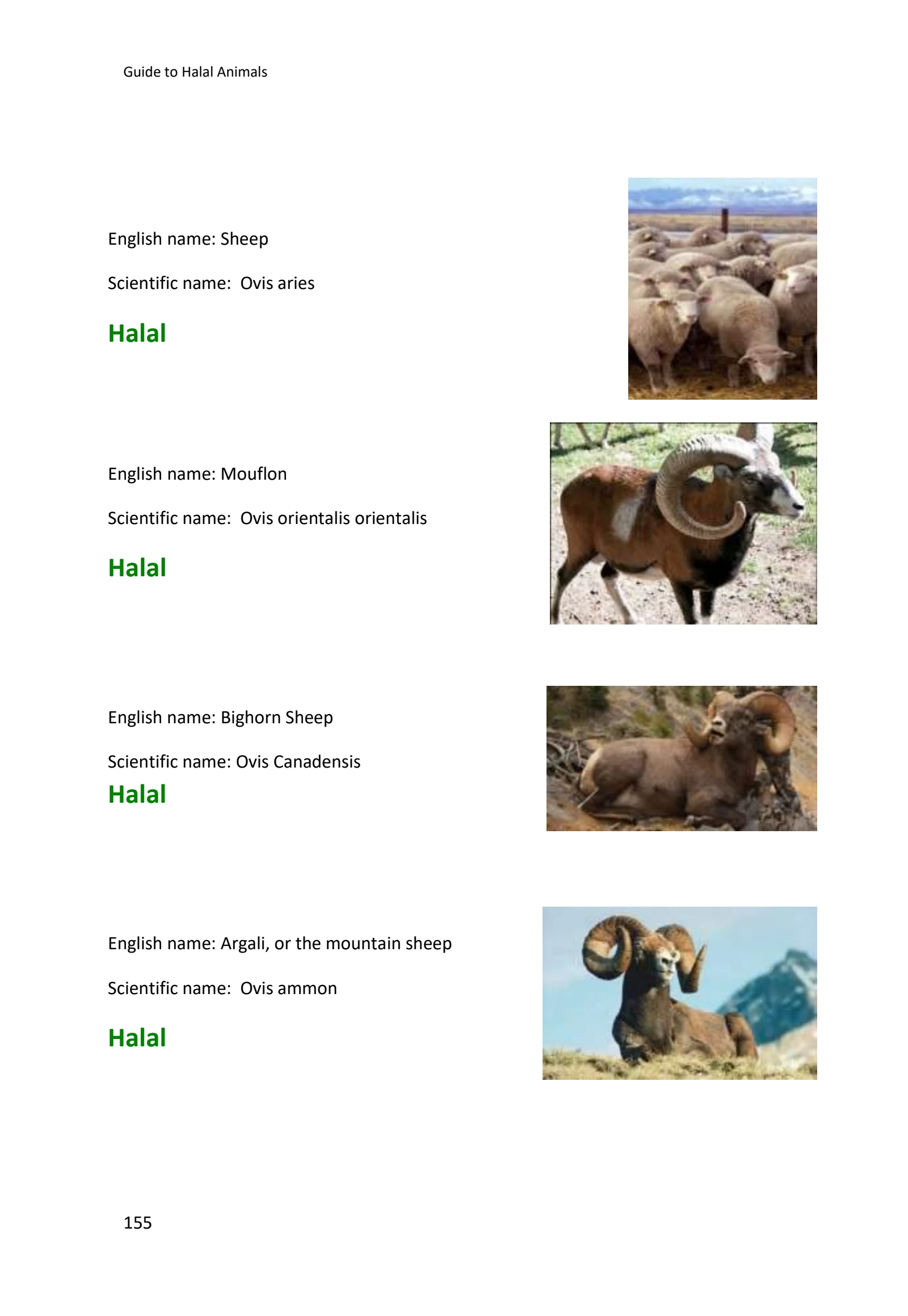
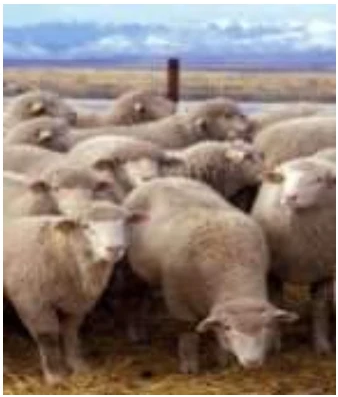
English name: Sheep
Scientific name: Ovis aries
Halal
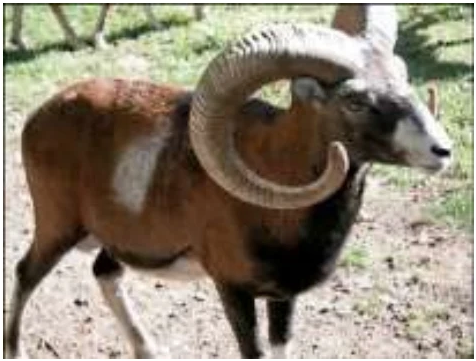
English name: Mouflon
Scientific name: Ovis orientalis orientalis
Halal
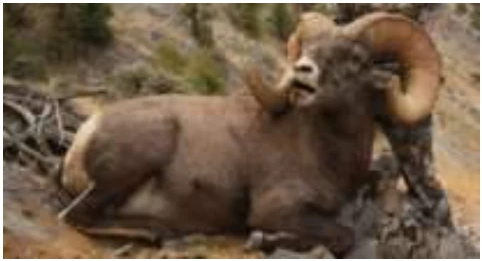
English name: Bighorn Sheep
Scientific name: Ovis Canadensis
Halal
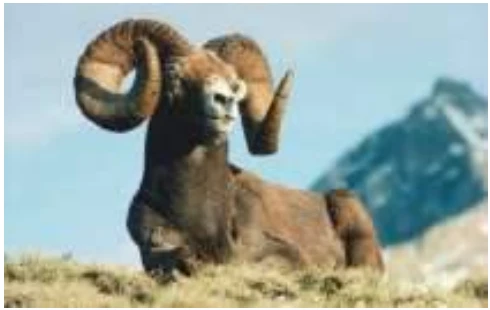
English name: Argali, or the mountain sheep
Scientific name: Ovis ammon
Halal
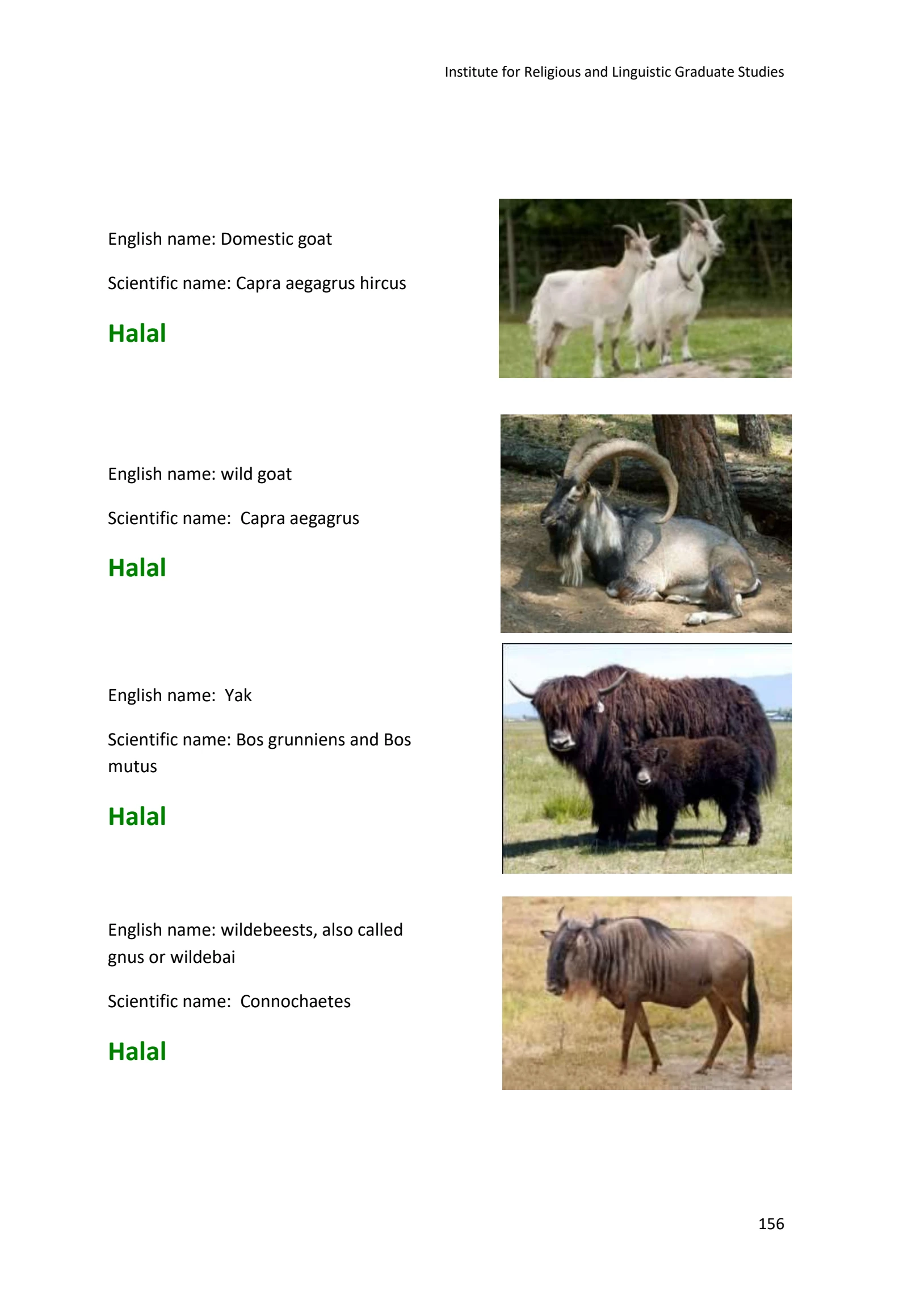
English name: Domestic goat
Scientific name: Capra aegagrus hircus
Halal
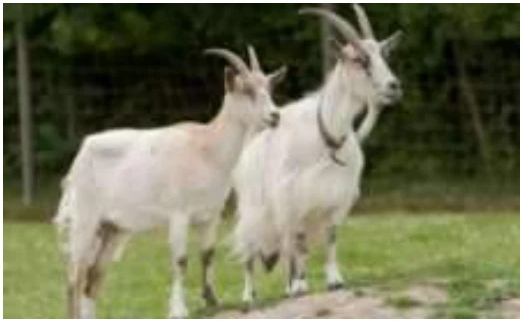
English name: wild goat
Scientific name: Capra aegagrus
Halal
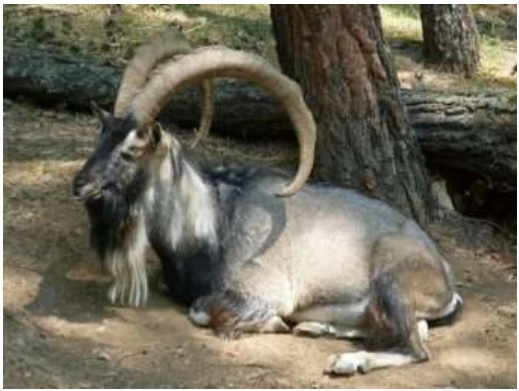
English name: Yak
Scientific name: Bos grunniens and Bos mutus
Halal
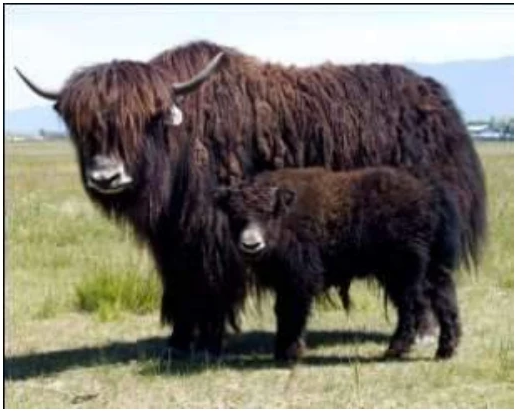
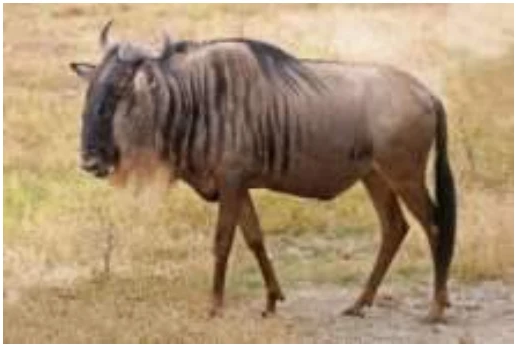
English name: wildebeests, also called gnus or wildebai
Scientific name: Connochaetes
Halal
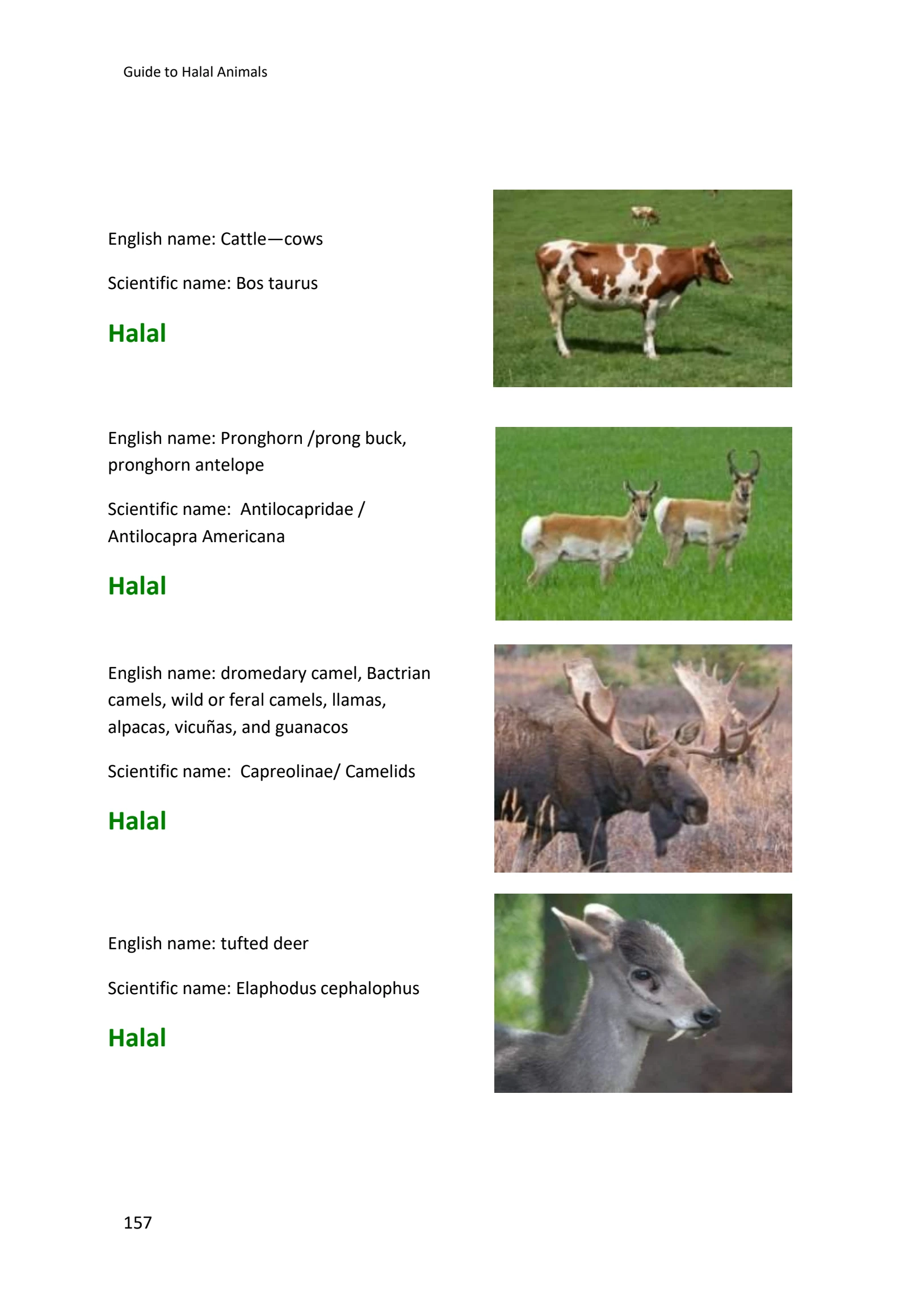
English name: Cattle-cows
Scientific name: Bos taurus
Halal
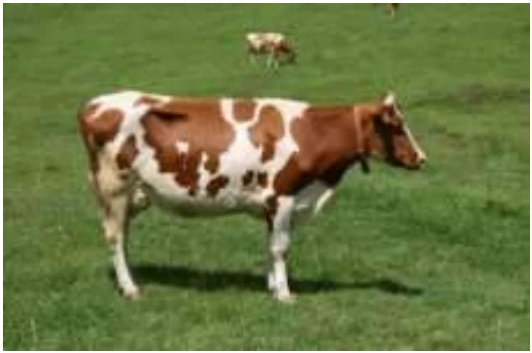
English name: Pronghorn /prong buck, pronghorn antelope
Scientific name: Antilocapridae / Antilocapra Americana
Halal
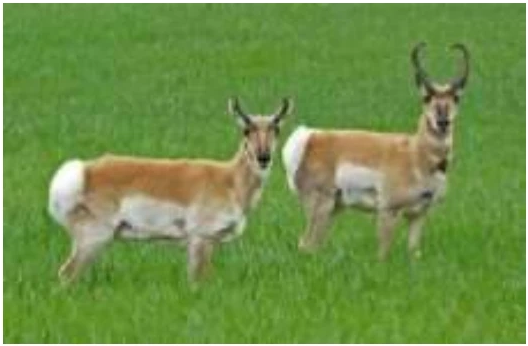
English name: dromedary camel, Bactrian camels, wild or feral camels, llamas, alpacas, vicuñas, and guanacos
Scientific name: Capreolinae/ Camelids
Halal
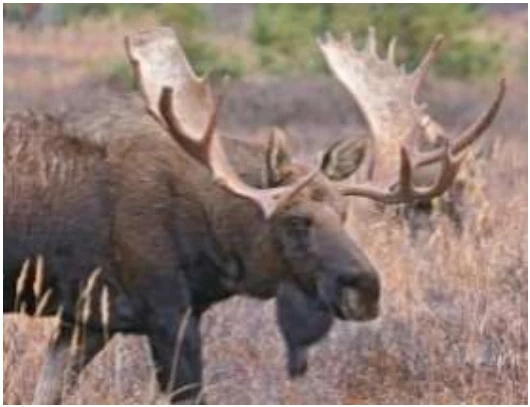
English name: tufted deer
Scientific name: Elaphodus cephalophus
Halal
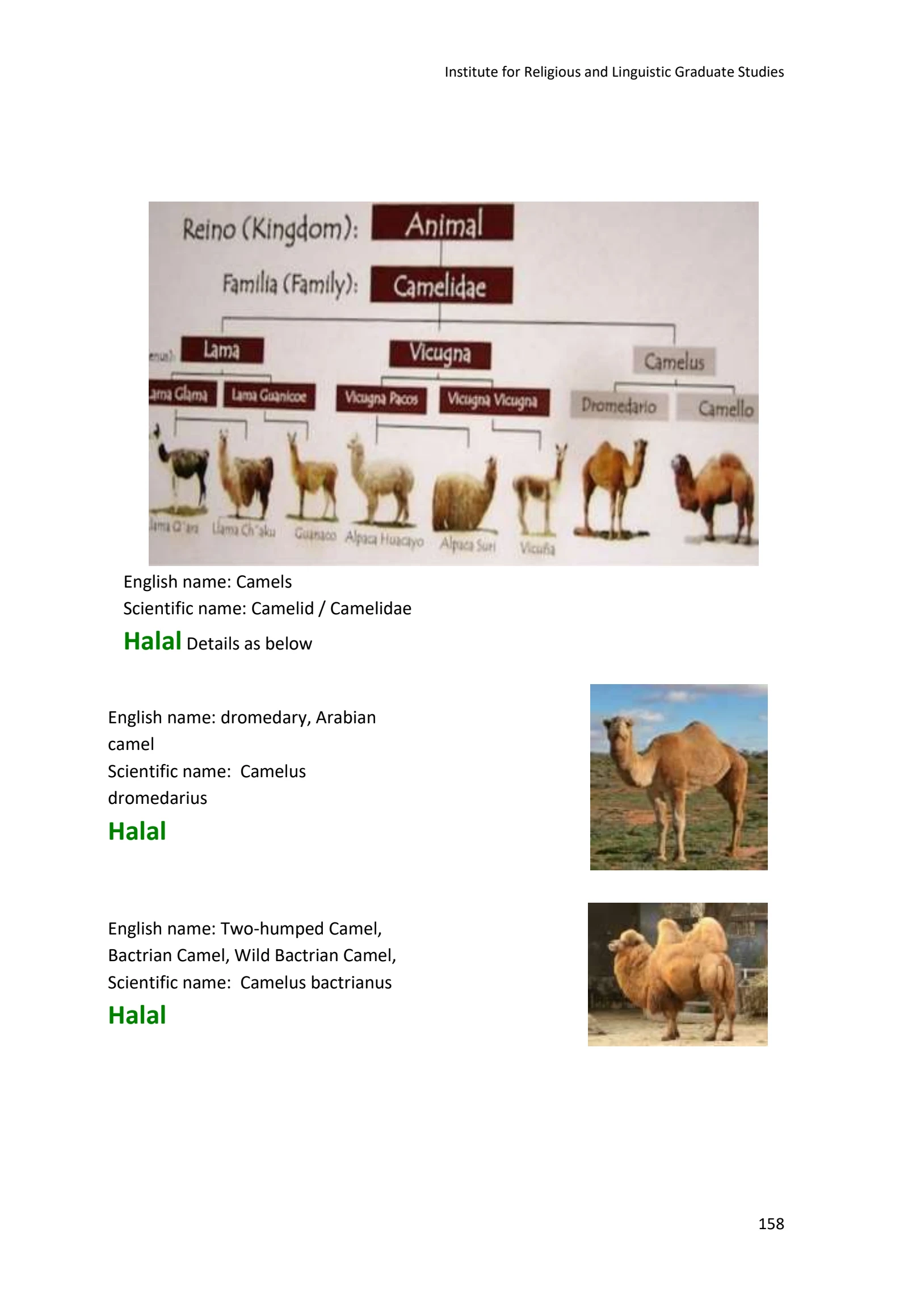
English name: Camels
Scientific name: Camelid / Camelidae
Halal Details as below
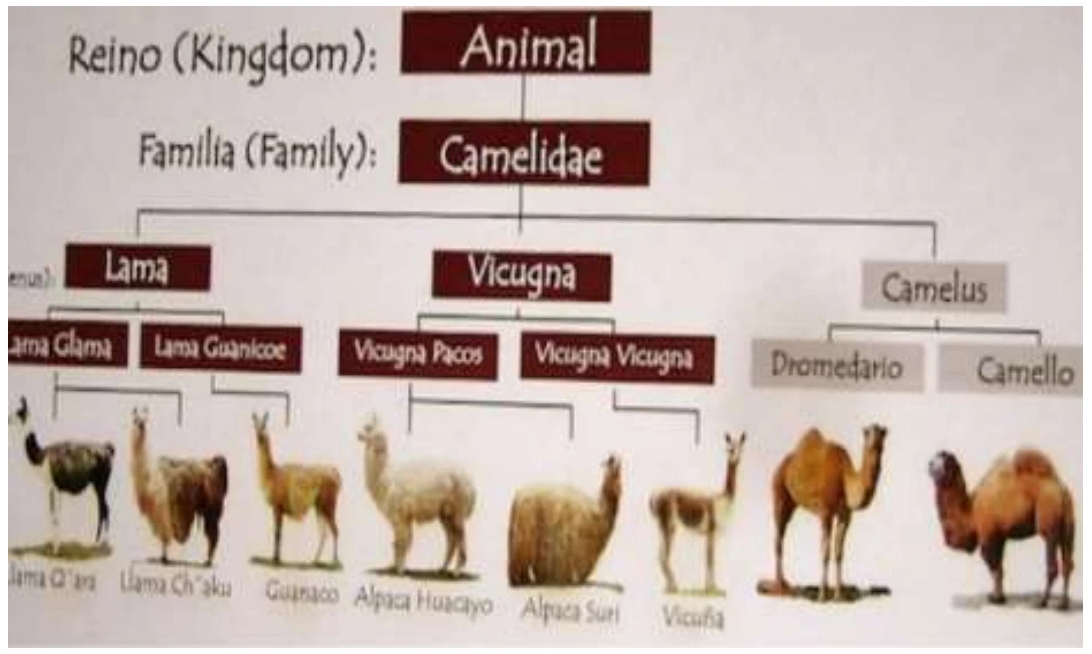
English name: dromedary, Arabian camel
Scientific name: Camelus dromedarius
Halal
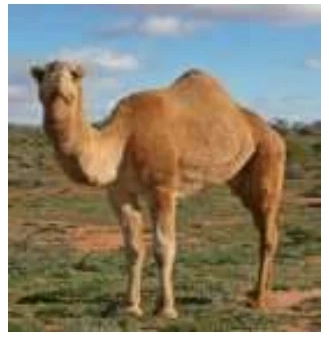
English name: Two-humped Camel, Bactrian Camel, Wild Bactrian Camel,
Scientific name: Camelus bactrianus
Halal
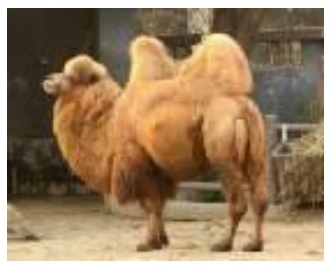
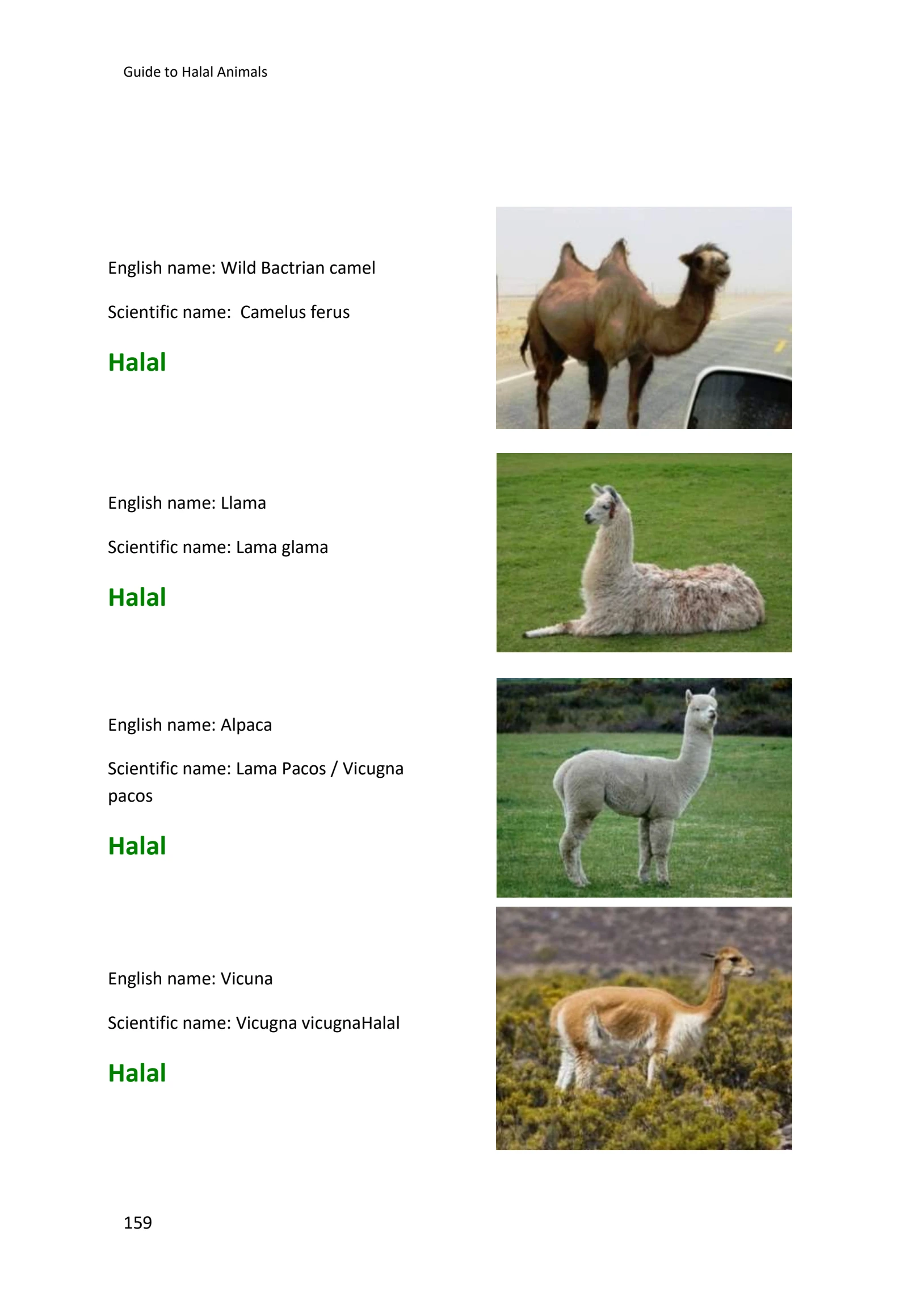
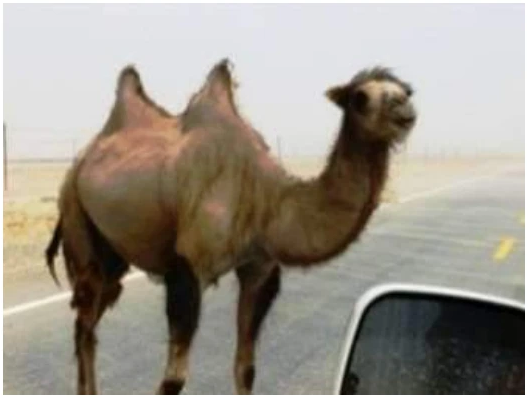
English name: Wild Bactrian camel
Scientific name: Camelus ferus
Halal
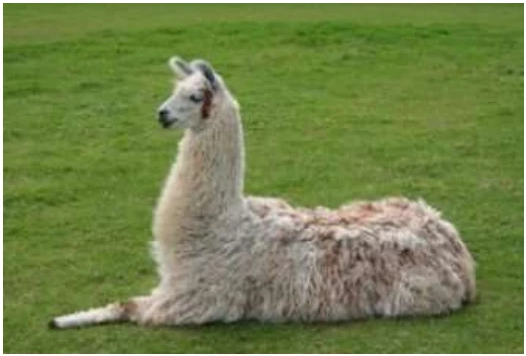
English name: Llama
Scientific name: Lama glama
Halal
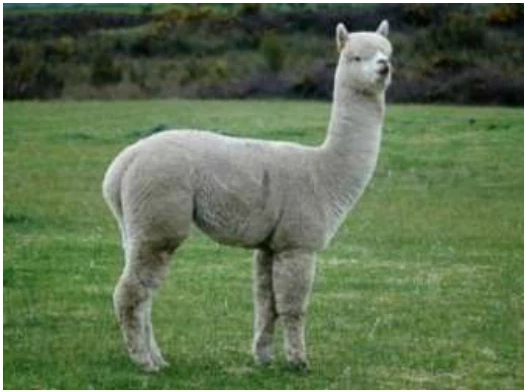
English name: Alpaca
Scientific name: Lama Pacos / Vicugna pacos
Halal
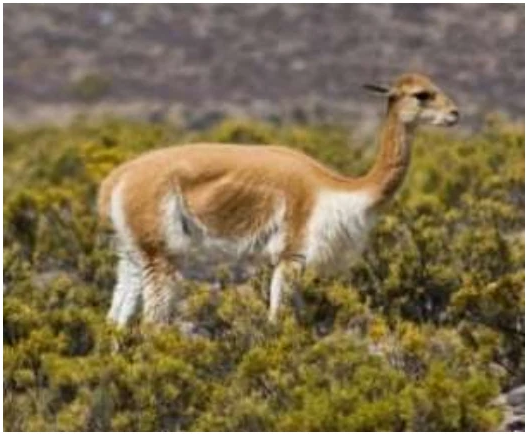
English name: Vicuna
Scientific name: Vicugna vicugnaHalal
Halal
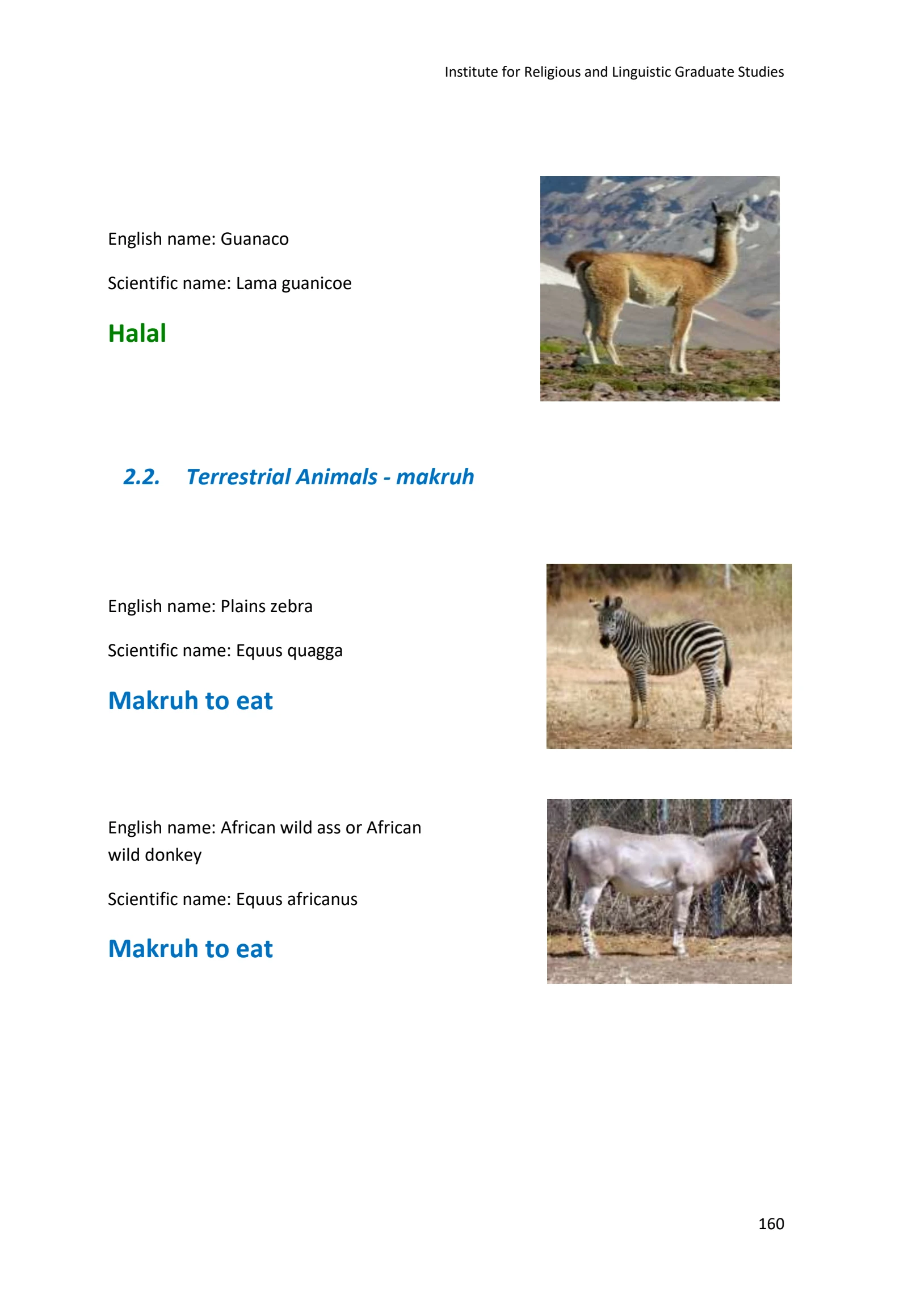
English name: Guanaco
Scientific name: Lama guanicoe
Halal
2.2. Terrestrial Animals - makruh
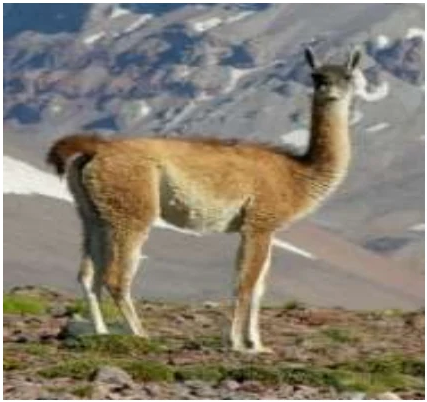
English name: Plains zebra
Scientific name: Equus quagga
Makruh to eat
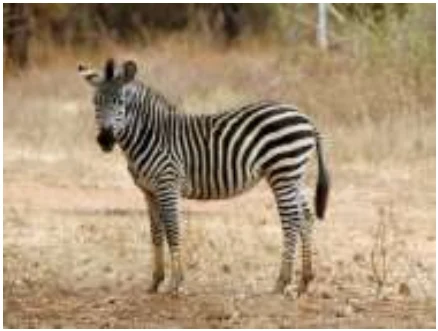
English name: African wild ass or African wild donkey
Scientific name: Equus africanus
Makruh to eat
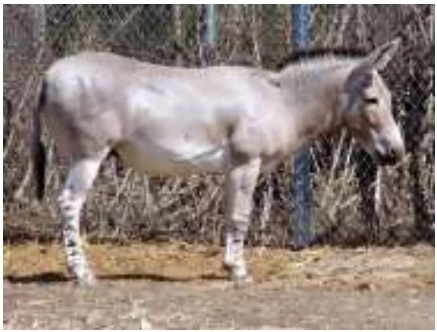
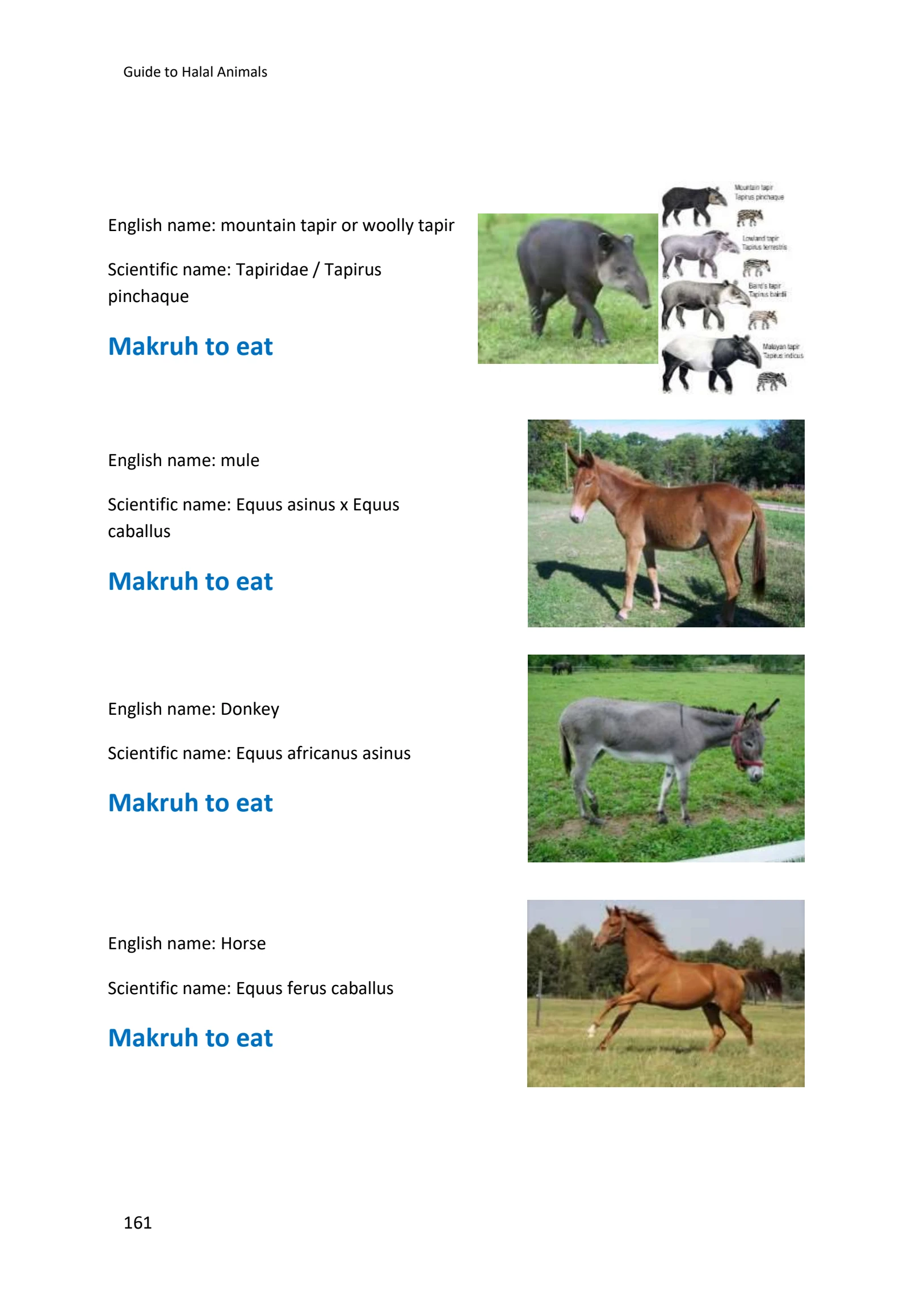
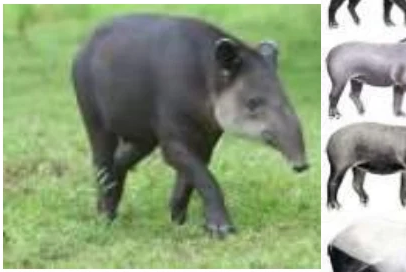
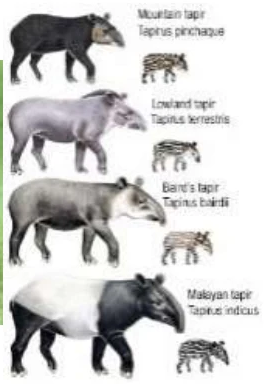
English name: mountain tapir or woolly tapir
Scientific name: Tapiridae / Tapirus pinchaque
Makruh to eat
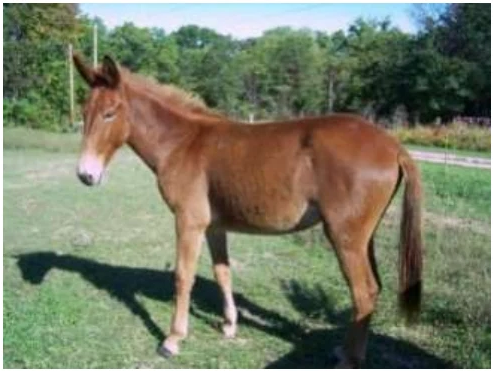
English name: mule
Scientific name: Equus asinus x Equus caballus
Makruh to eat
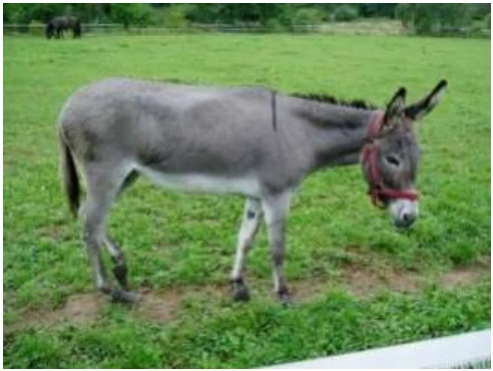
English name: Donkey
Scientific name: Equus africanus asinus
Makruh to eat
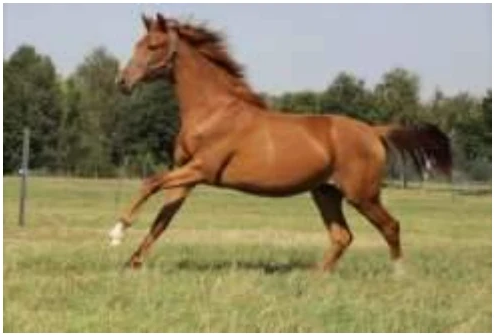
English name: Horse
Scientific name: Equus ferus caballus
Makruh to eat
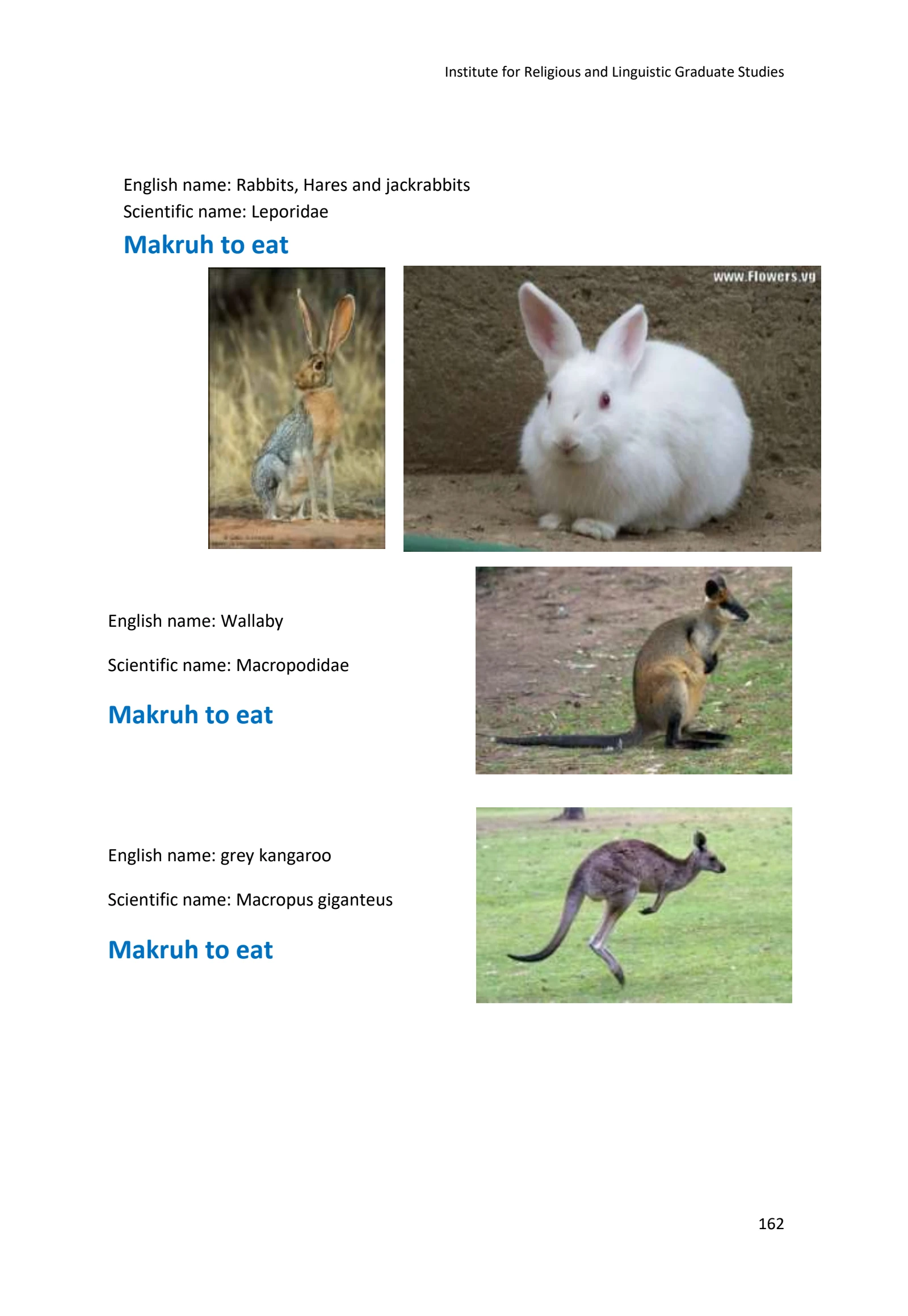
English name: Rabbits, Hares and jackrabbits
Scientific name: Leporidae
Makruh to eat
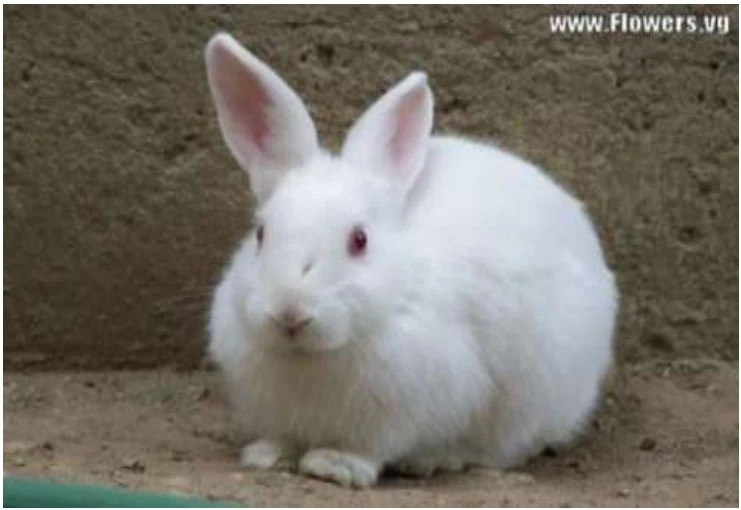
English name: Wallaby
Scientific name: Macropodidae
Makruh to eat
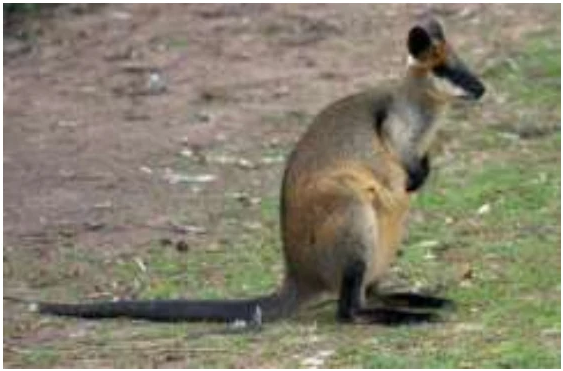
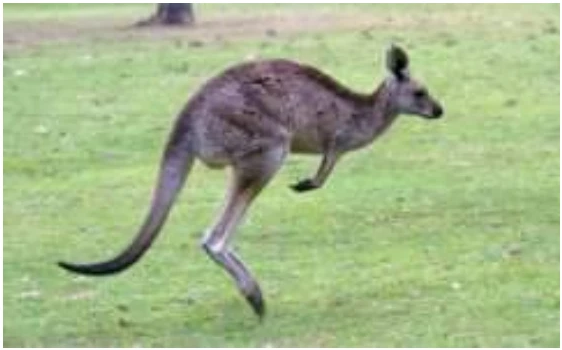
English name: grey kangaroo
Scientific name: Macropus giganteus
Makruh to eat
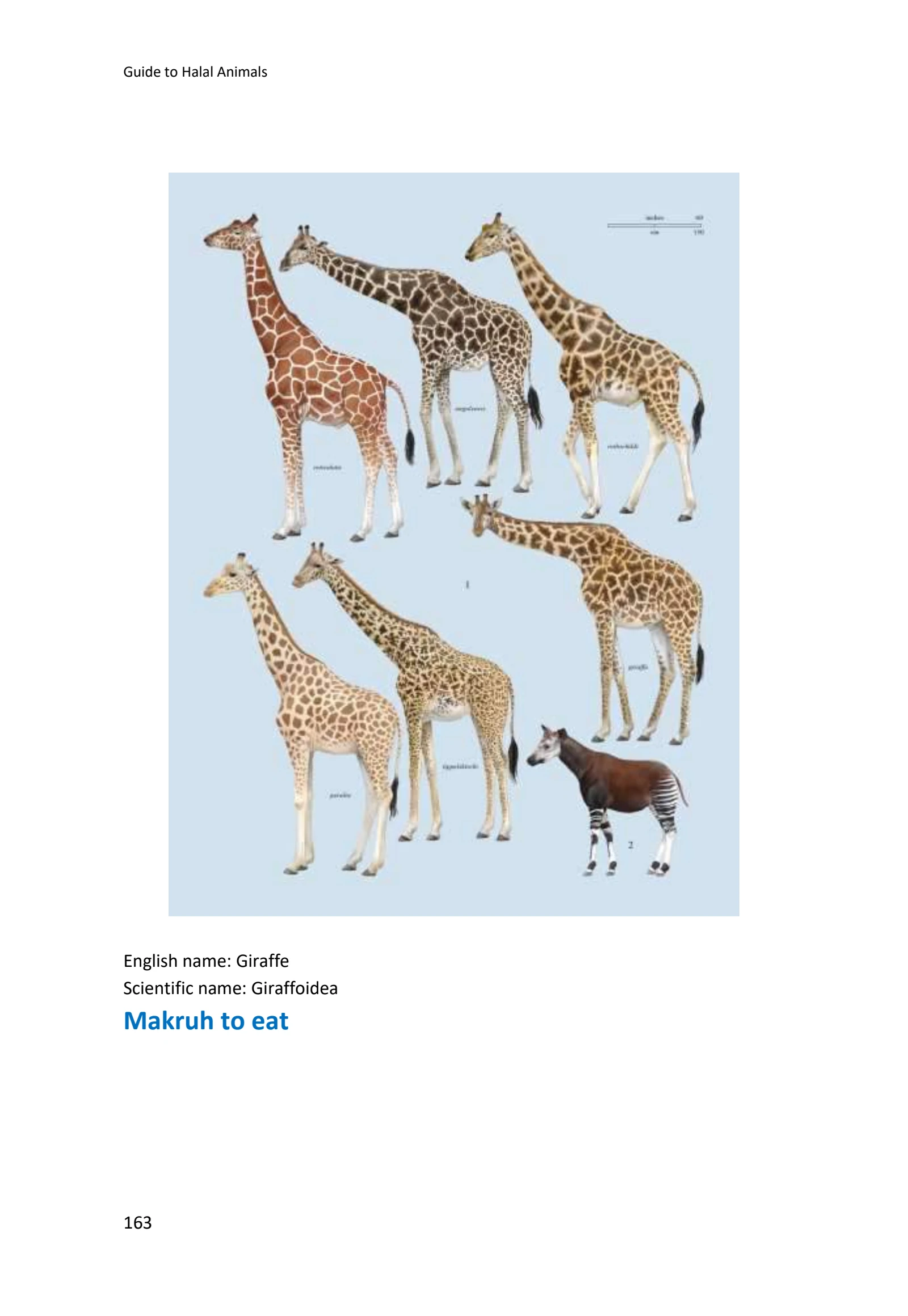
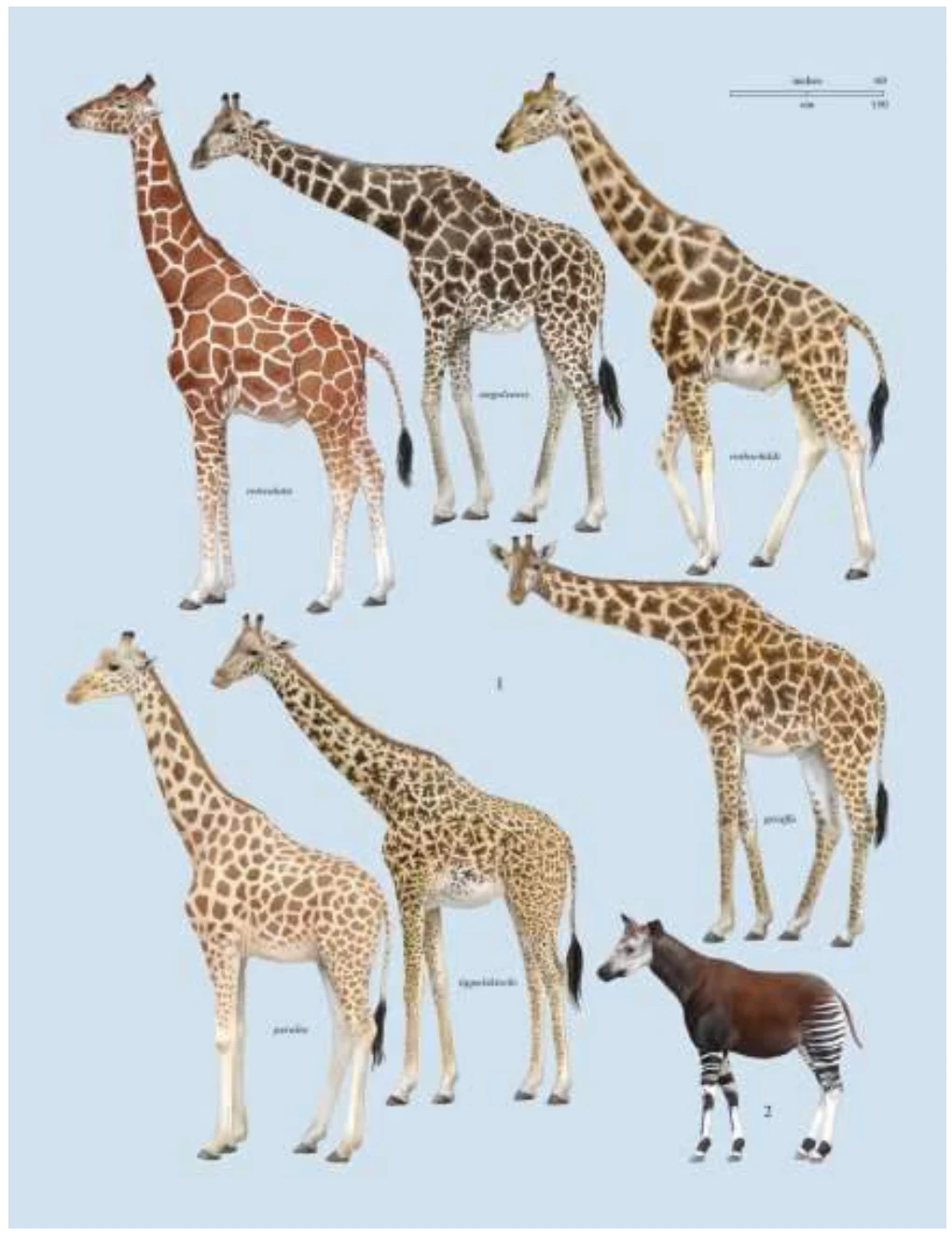
English name: Giraffe
Scientific name: Giraffoidea
Makruh to eat
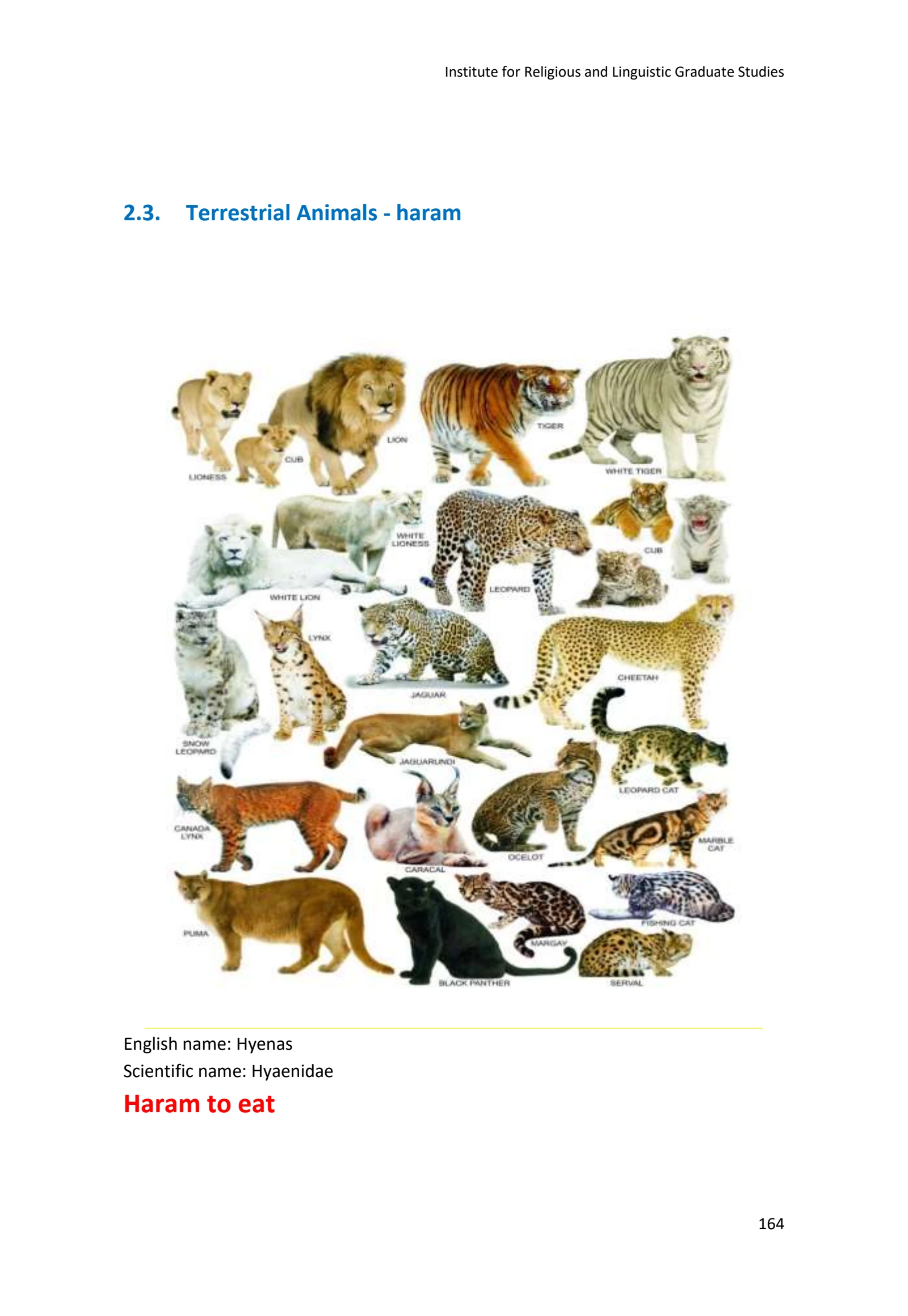
2.3. Terrestrial Animals - haram
English name: Hyenas
Scientific name: Hyaenidae
Haram to eat
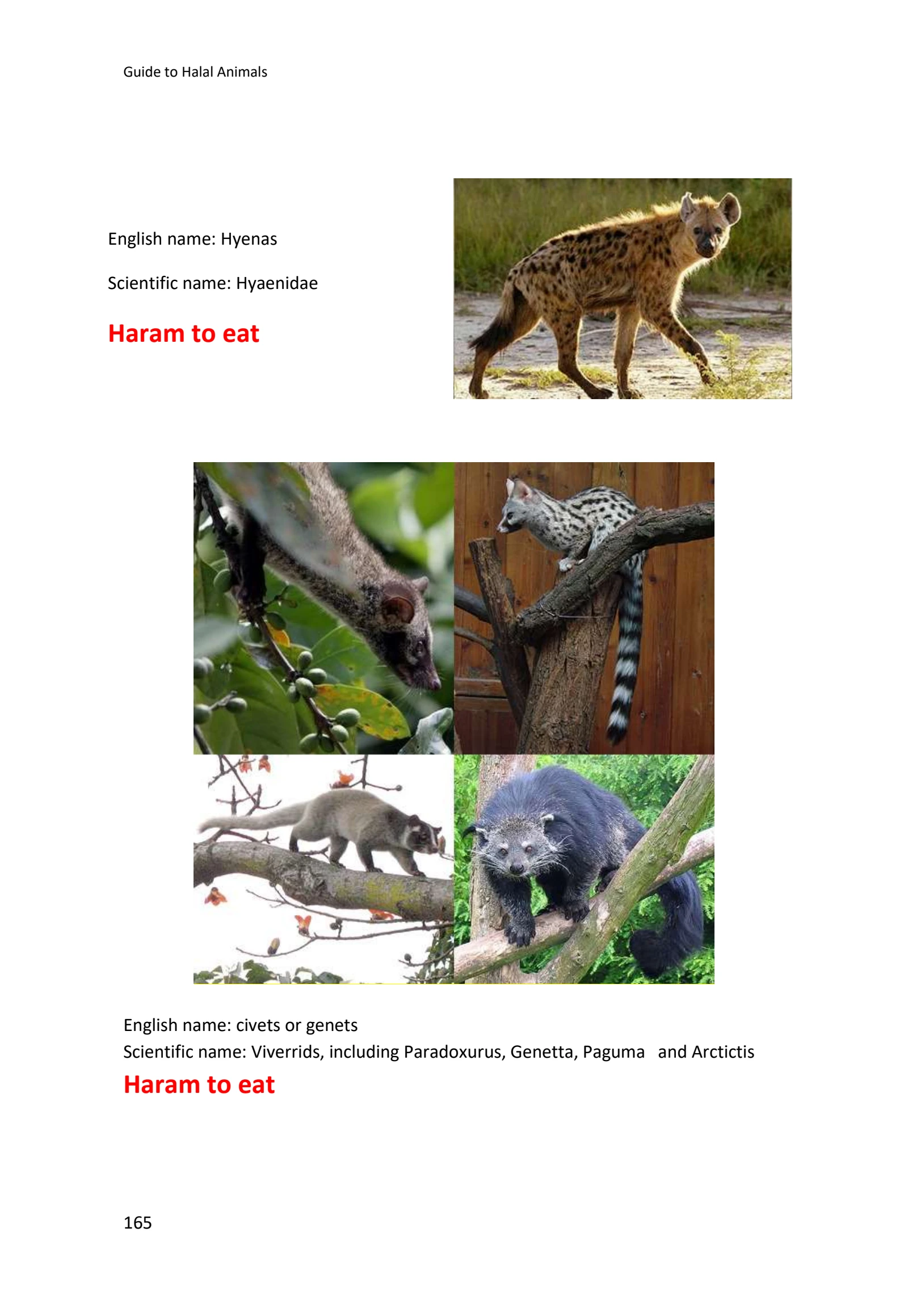
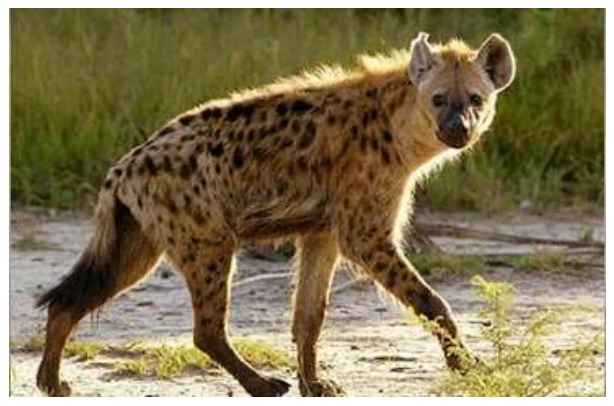
English name: Hyenas
Scientific name: Hyaenidae
Haram to eat
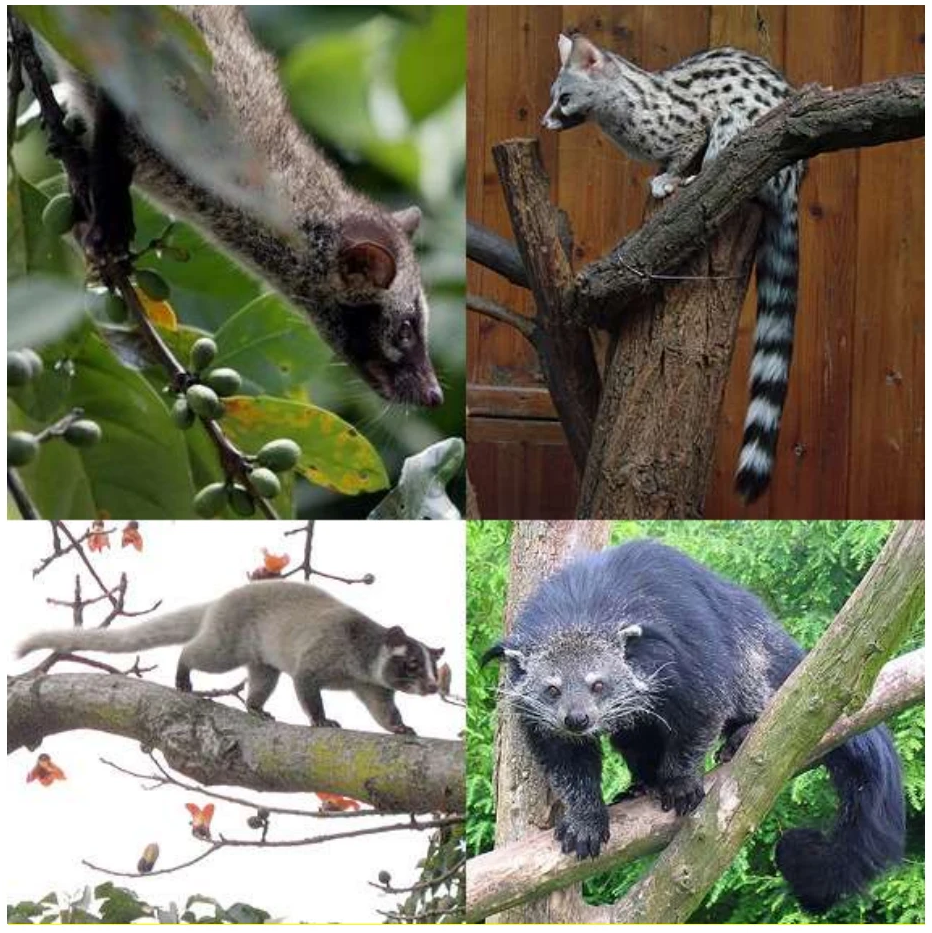
English name: civets or genets
Scientific name: Viverrids, including Paradoxurus, Genetta, Paguma and Arctictis
Haram to eat
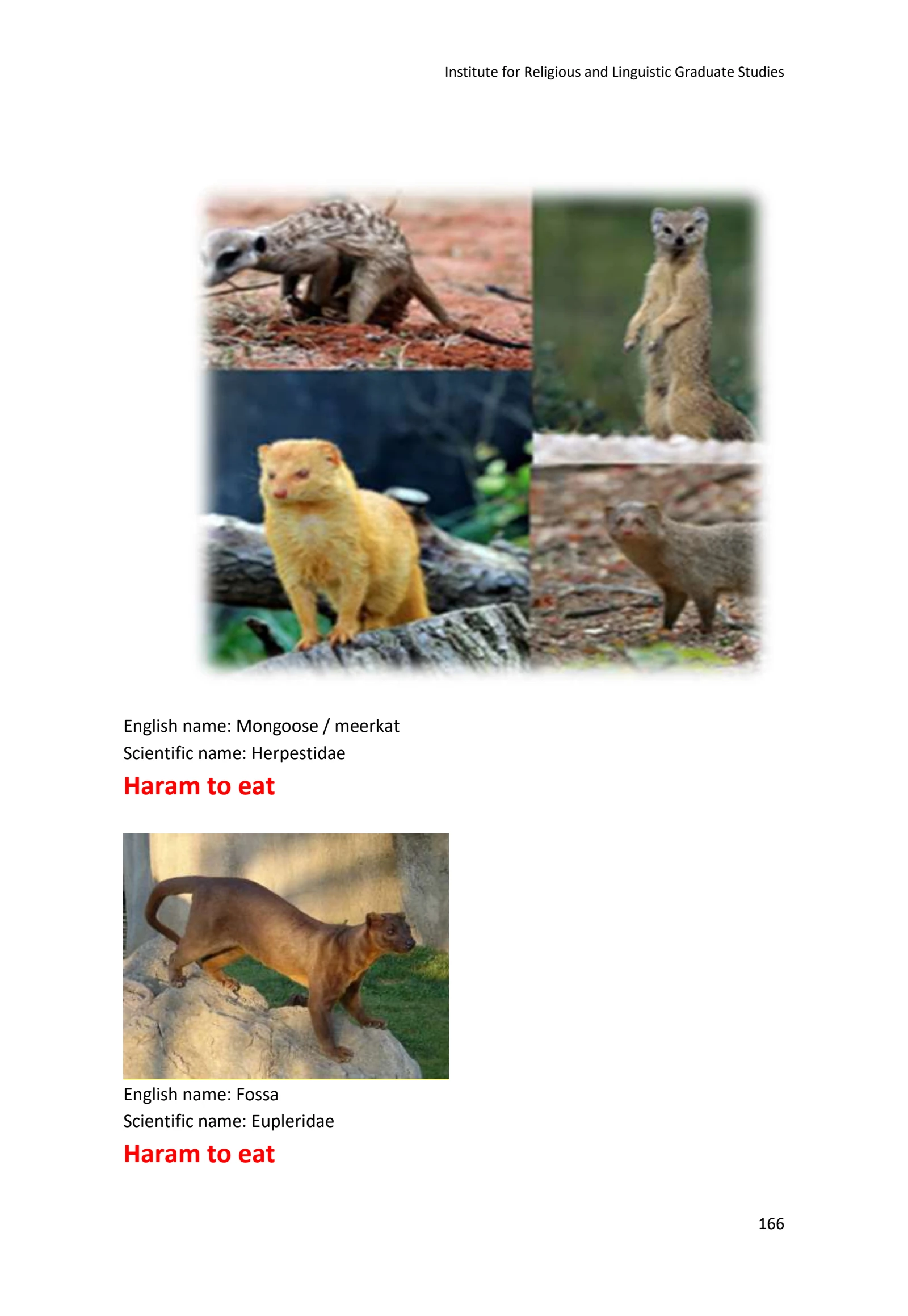
English name: Mongoose / meerkat
Scientific name: Herpestidae
Haram to eat

English name: Fossa
Scientific name: Eupleridae
Haram to eat
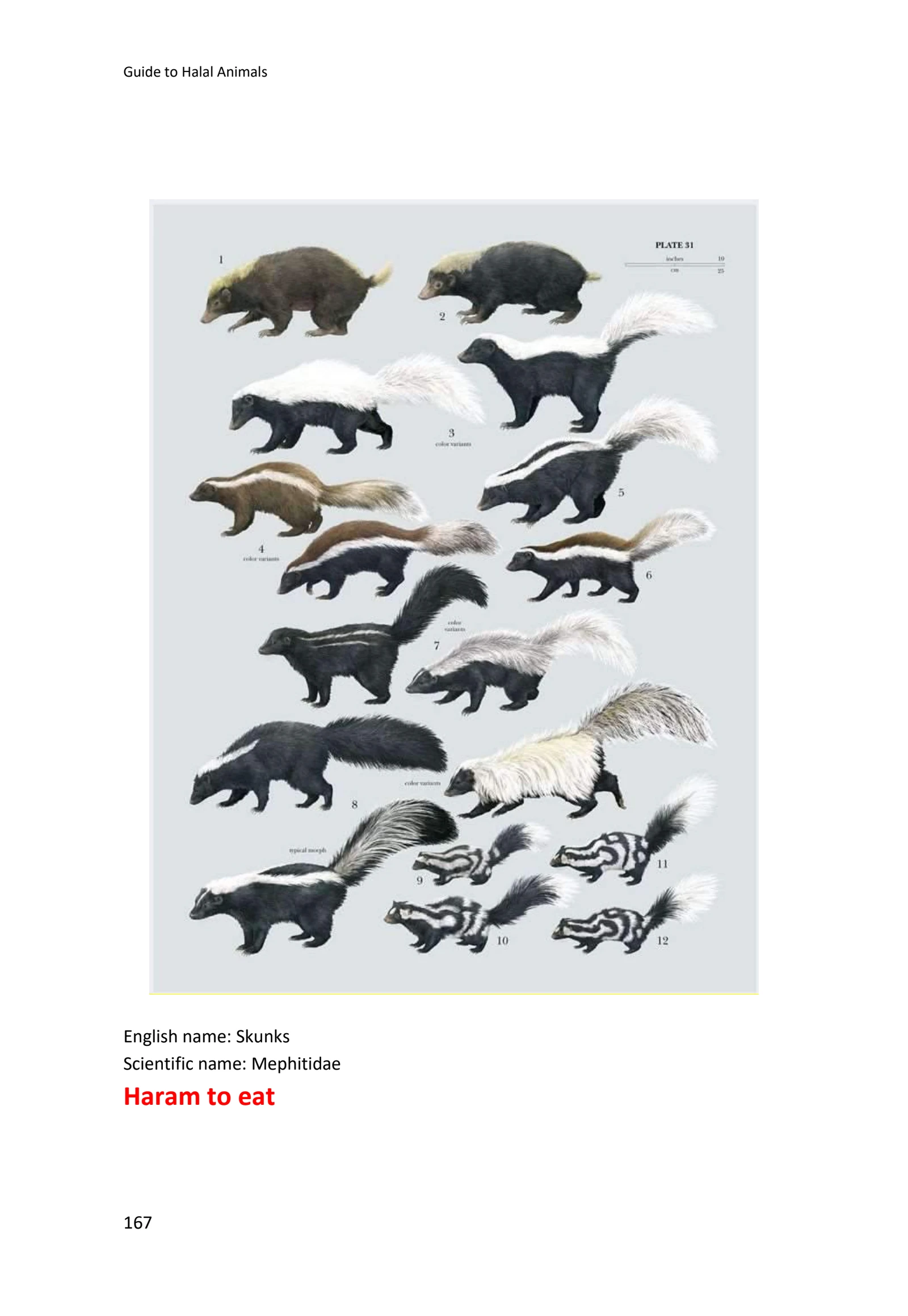
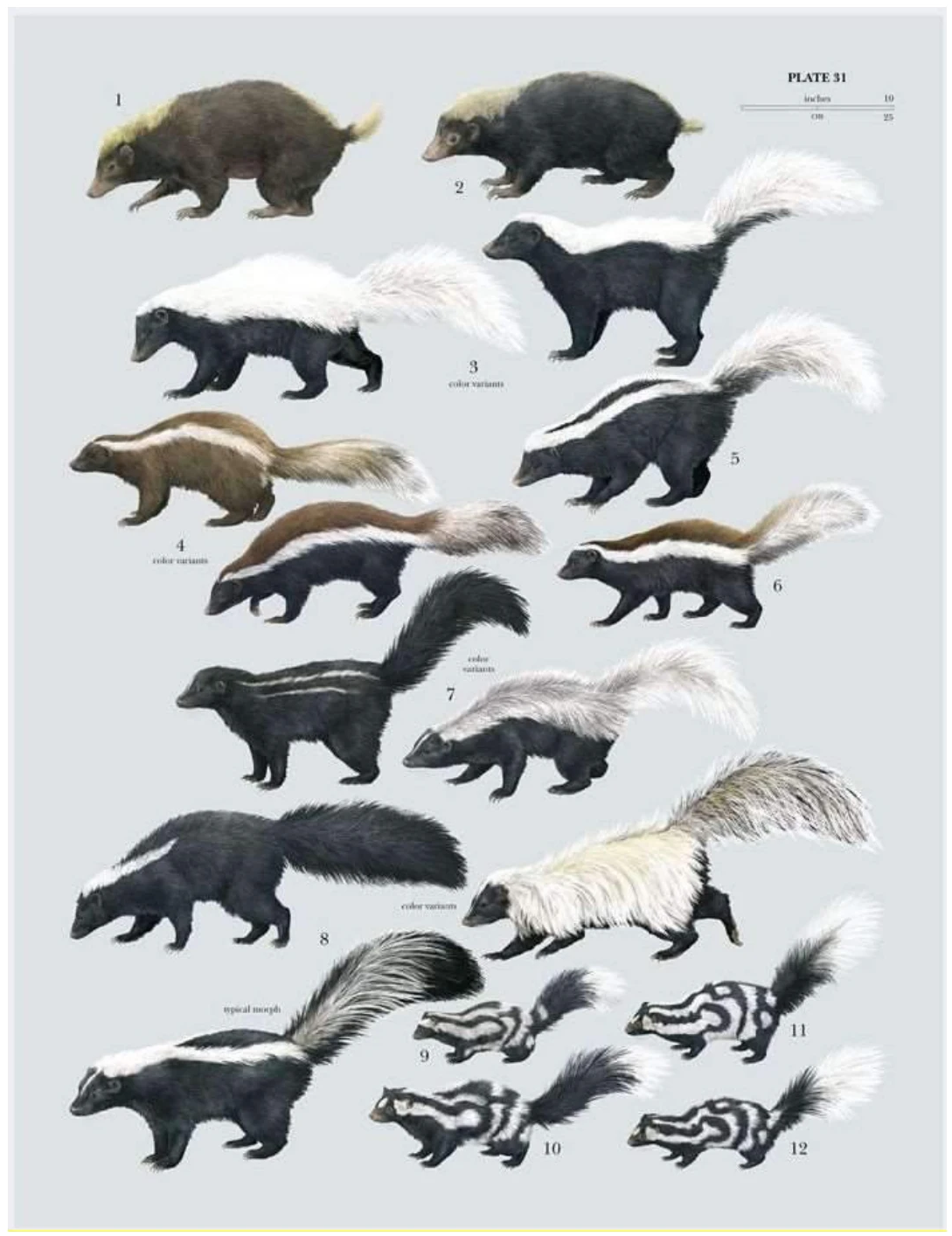
English name: Skunks
Scientific name: Mephitidae
Haram to eat
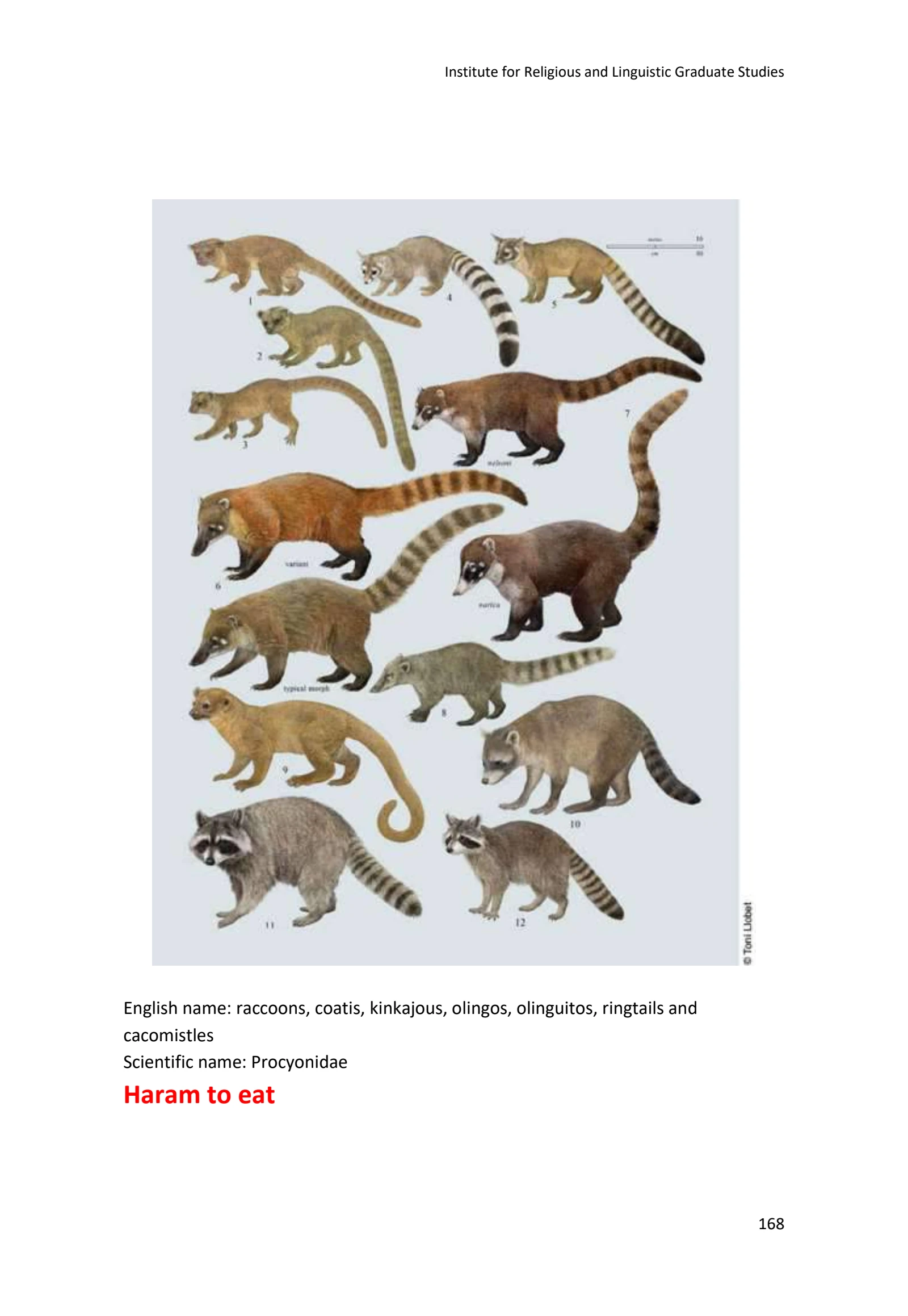
English name: raccoons, coatis, kinkajous, olingos, olinguitos, ringtails and cacomistles
Scientific name: Procyonidae
Haram to eat
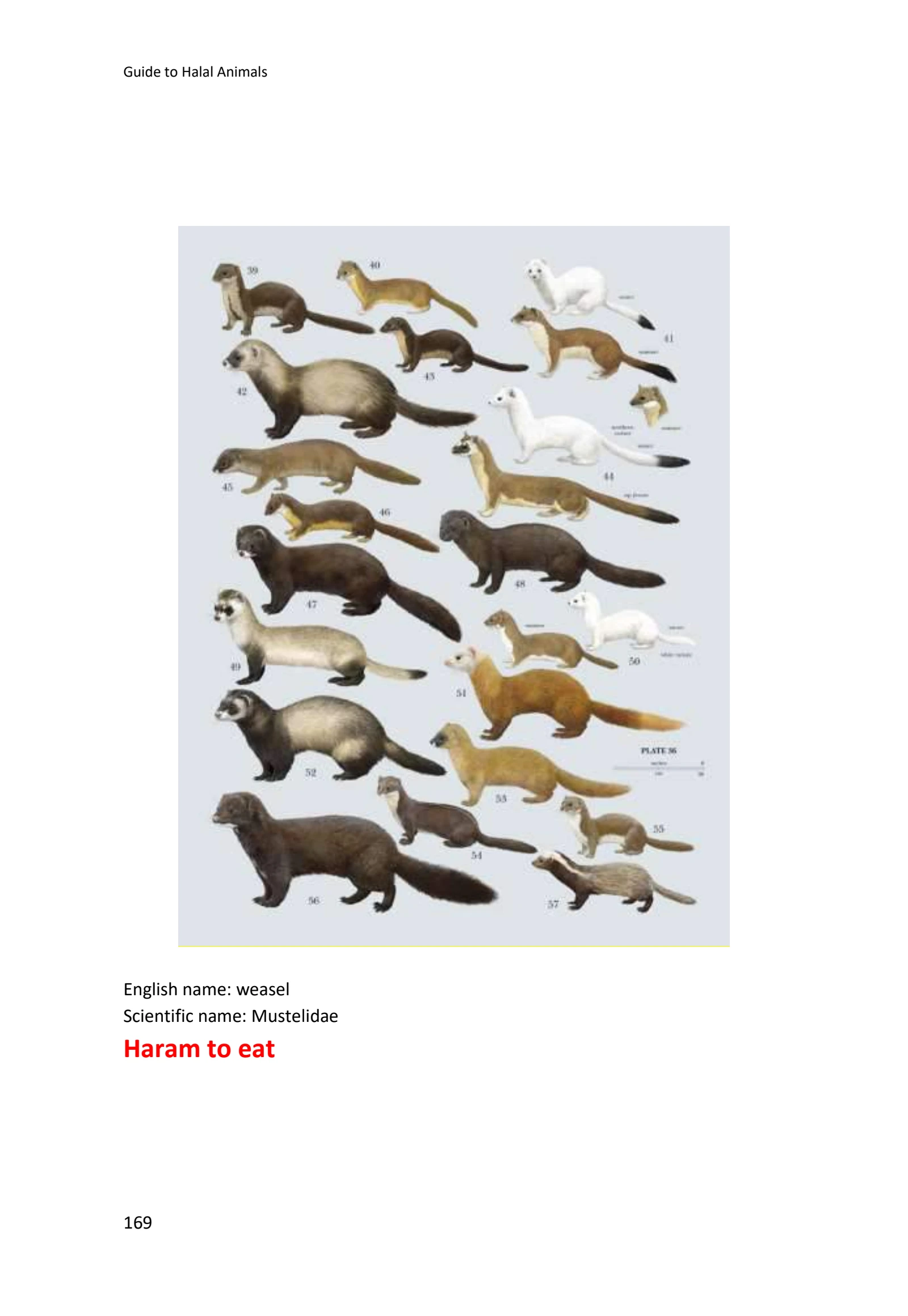
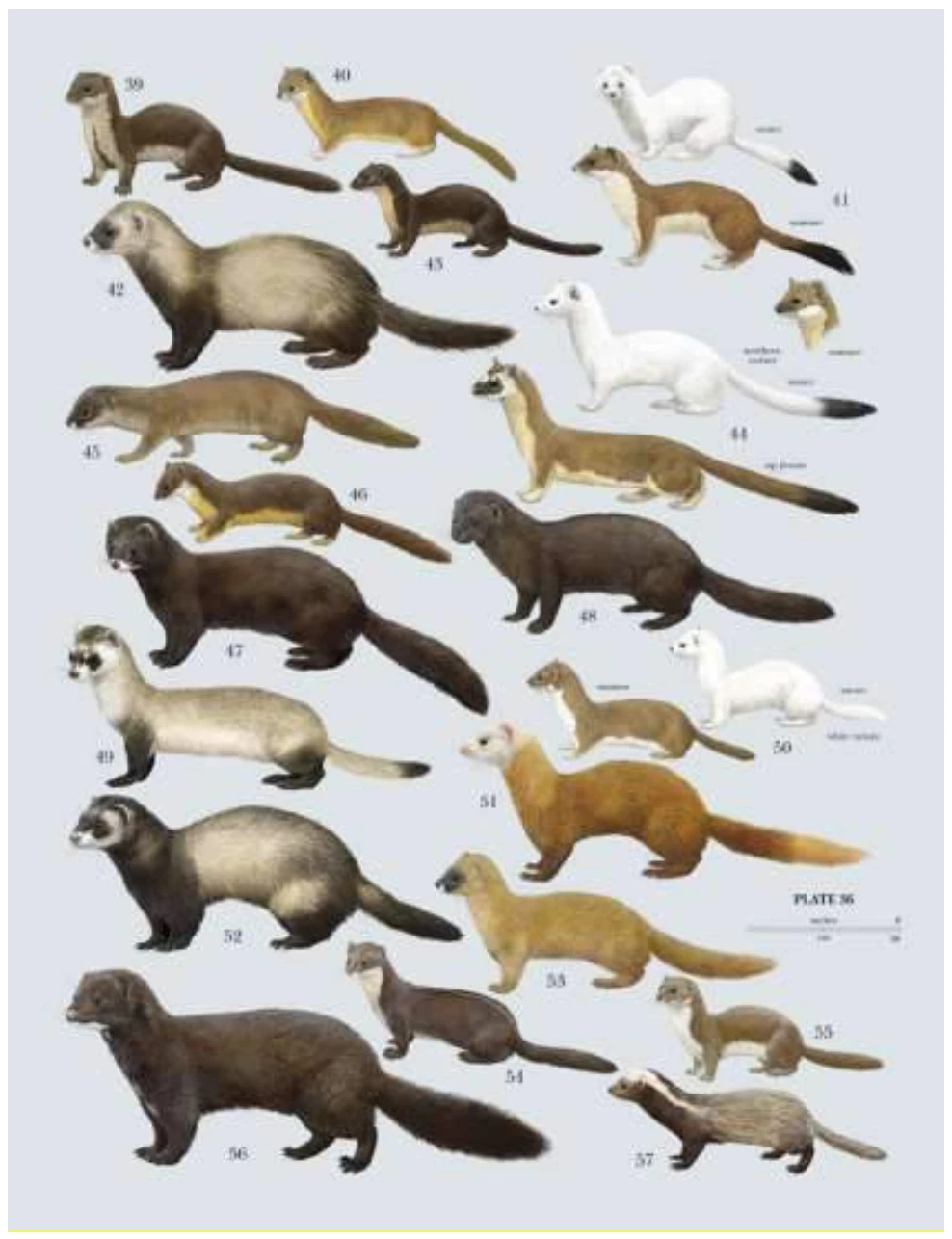
English name: weasel
Scientific name: Mustelidae
Haram to eat
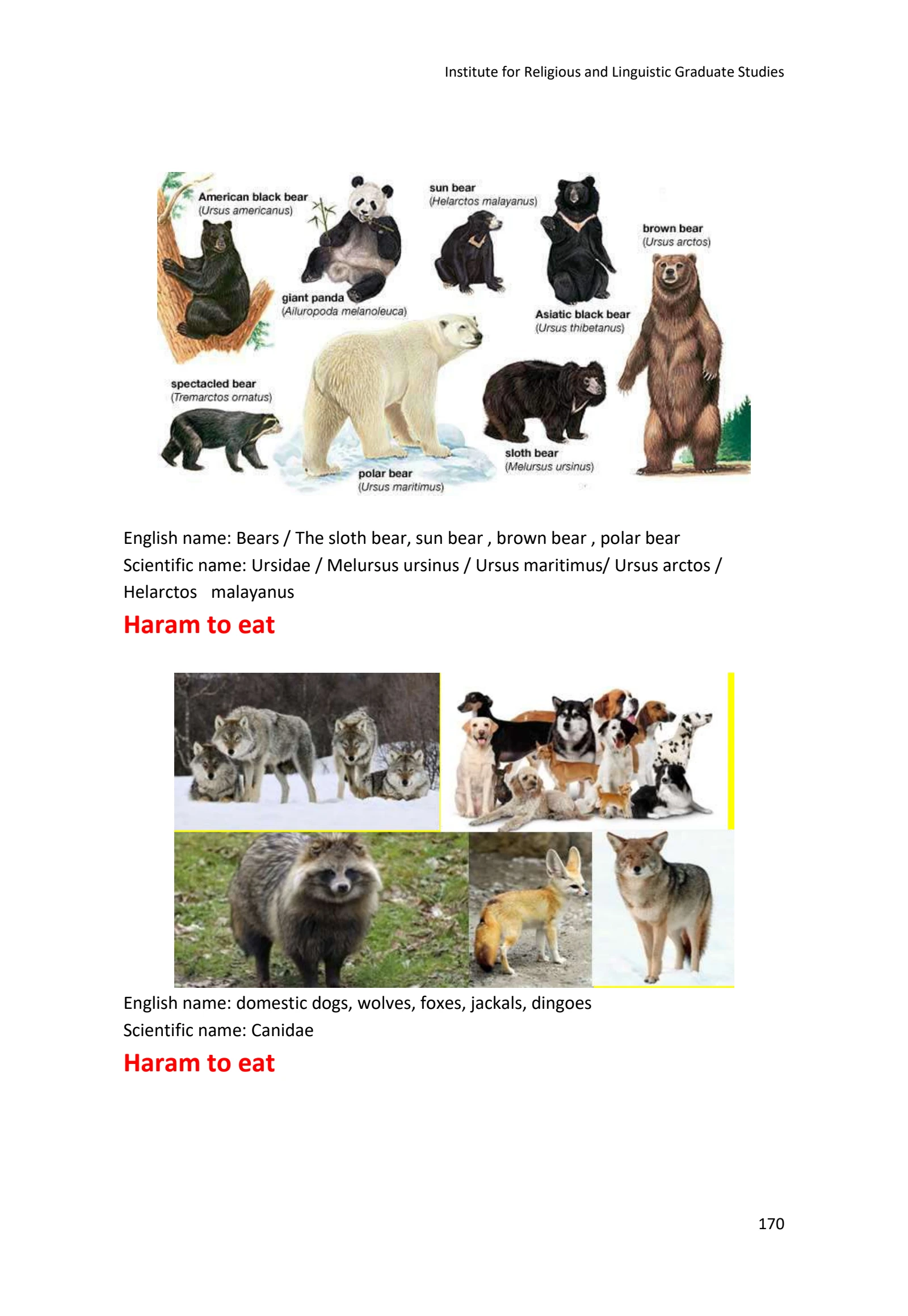
English name: Bears / The sloth bear, sun bear , brown bear , polar bear
Scientific name: Ursidae / Melursus ursinus / Ursus maritimus/ Ursus arctos / Helarctos malayanus
Haram to eat
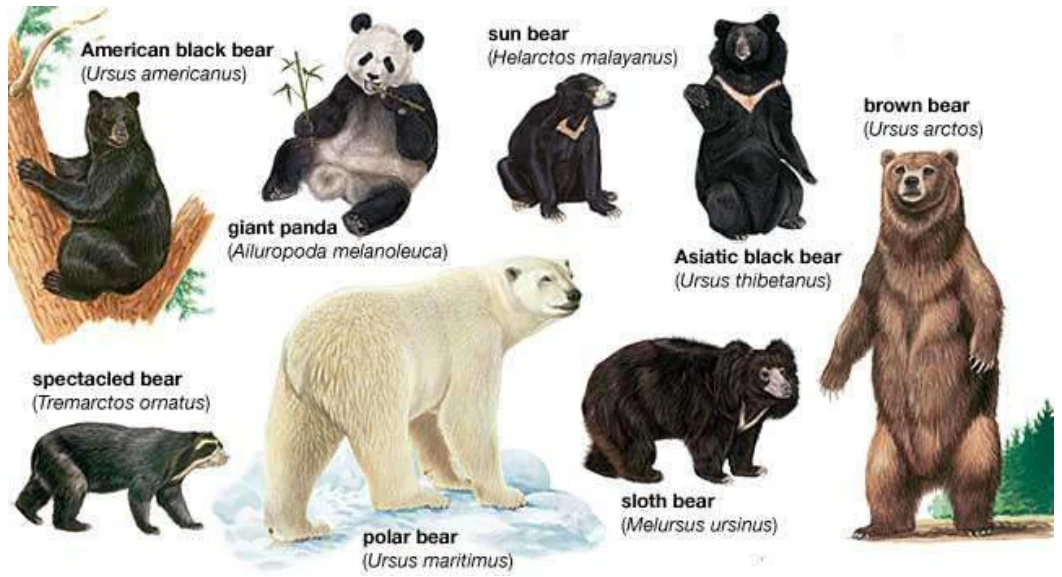
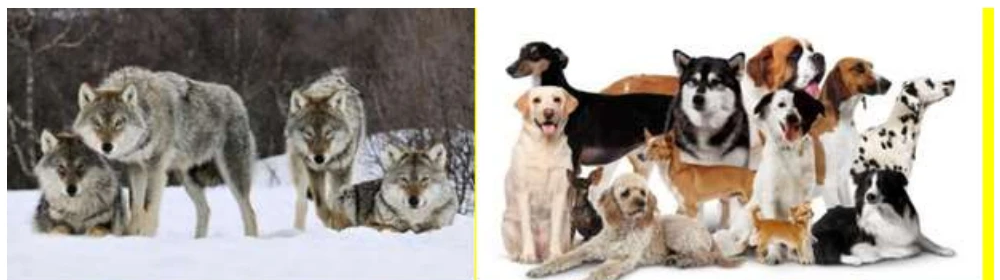
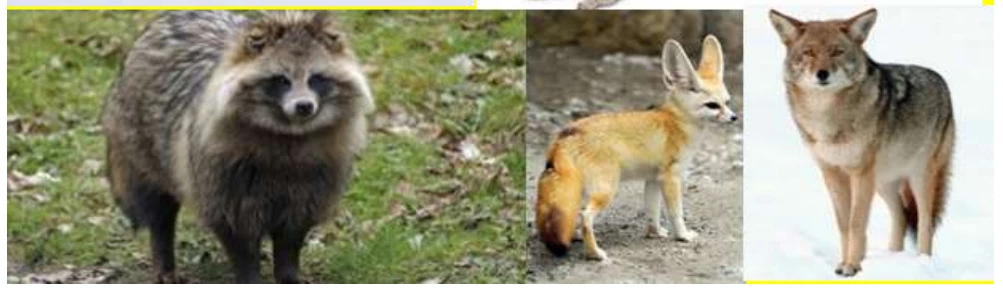
English name: domestic dogs, wolves, foxes, jackals, dingoes
Scientific name: Canidae
Haram to eat
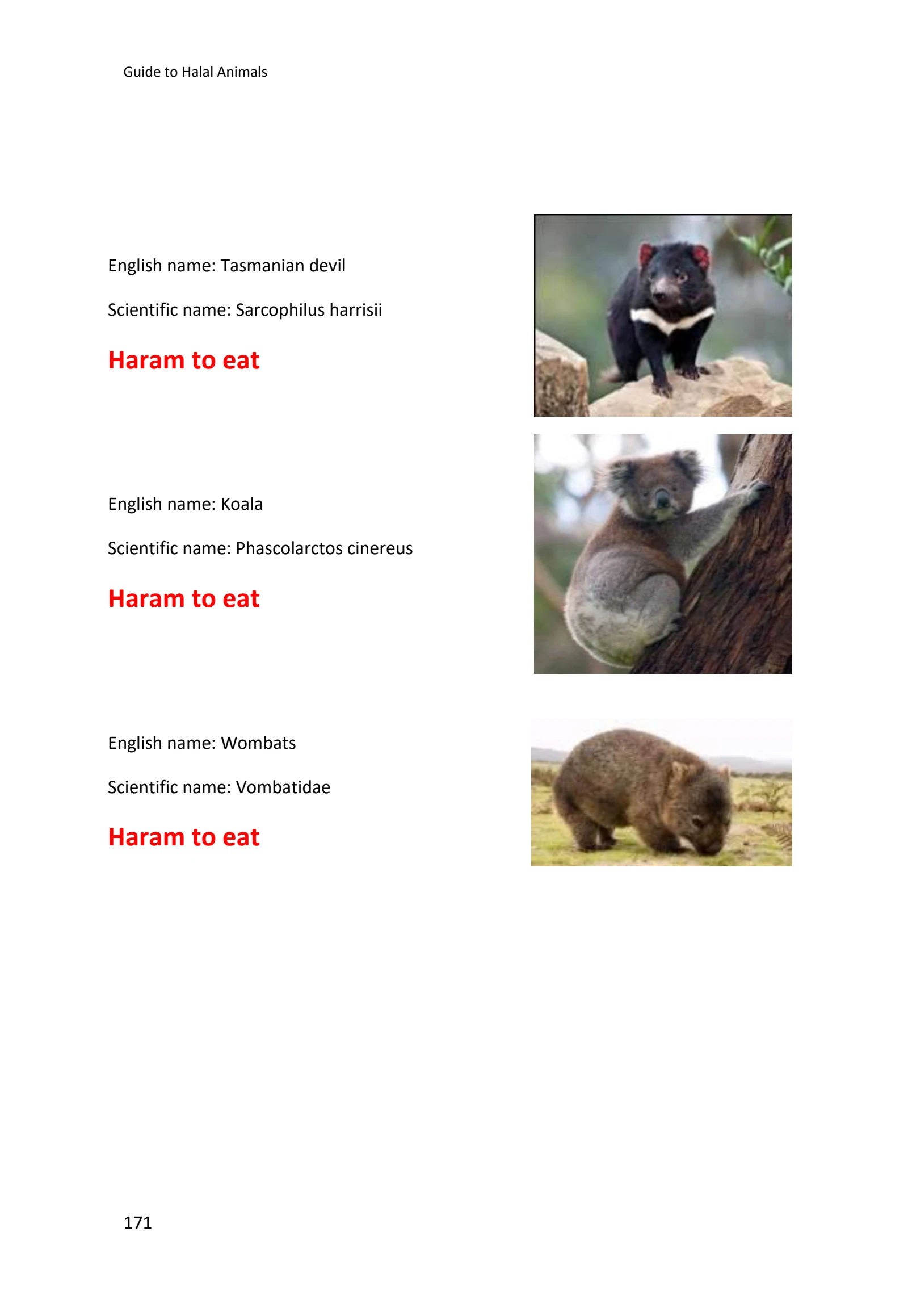
English name: Tasmanian devil
Scientific name: Sarcophilus harrisii
Haram to eat
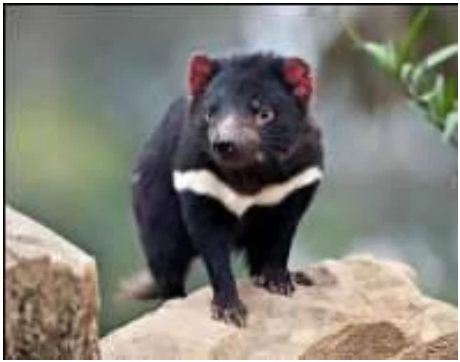
English name: Koala
Scientific name: Phascolarctos cinereus
Haram to eat
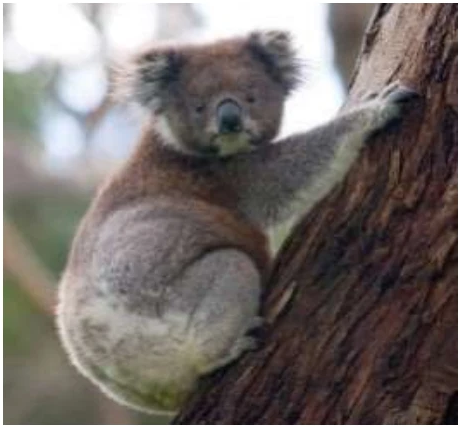
English name: Wombats
Scientific name: Vombatidae
Haram to eat
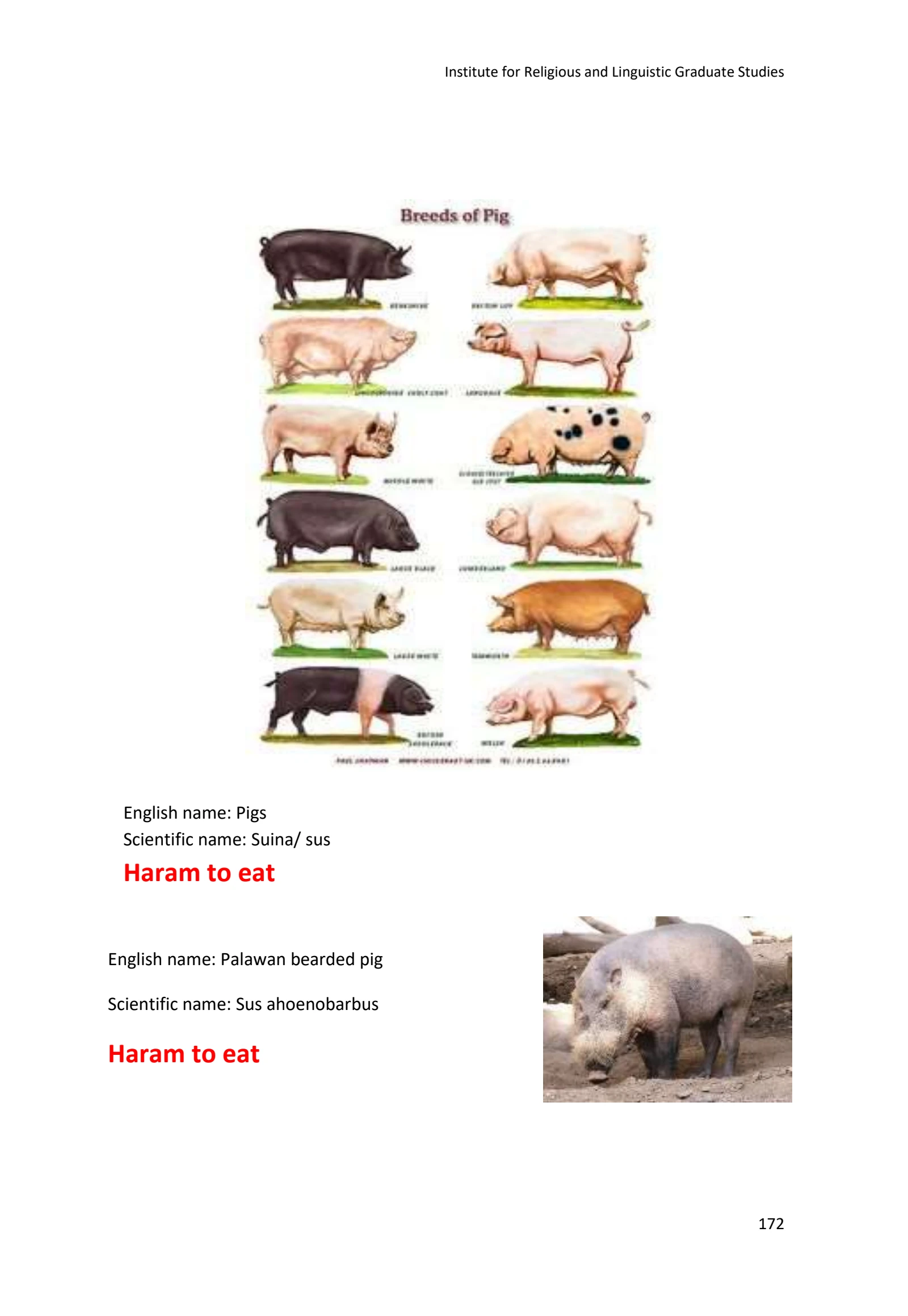
English name: Pigs
Scientific name: Suina/ sus
Haram to eat
English name: Palawan bearded pig
Scientific name: Sus ahoenobarbus
Haram to eat
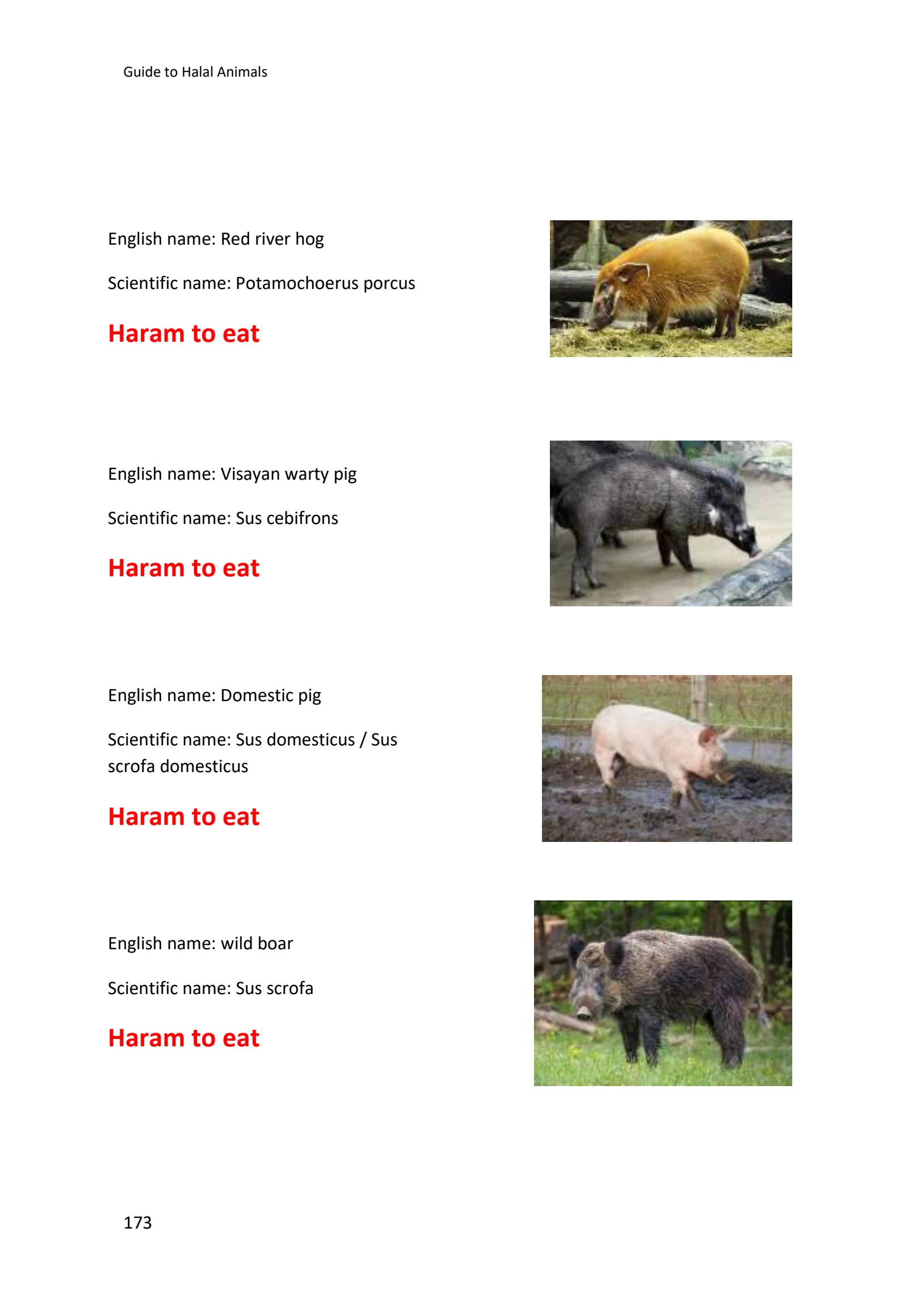
English name: Red river hog
Scientific name: Potamochoerus porcus
Haram to eat
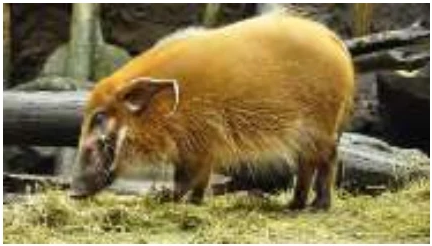
English name: Visayan warty pig
Scientific name: Sus cebifrons
Haram to eat
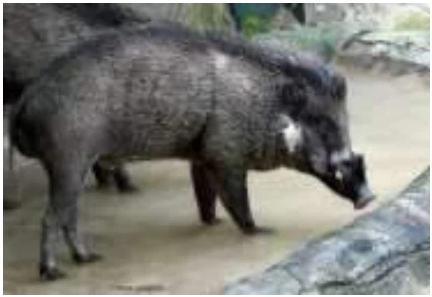
English name: Domestic pig
Scientific name: Sus domesticus / Sus scrofa domesticus
Haram to eat
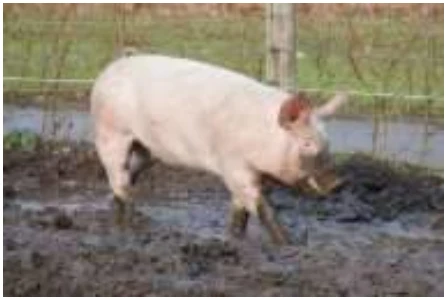
English name: wild boar
Scientific name: Sus scrofa
Haram to eat
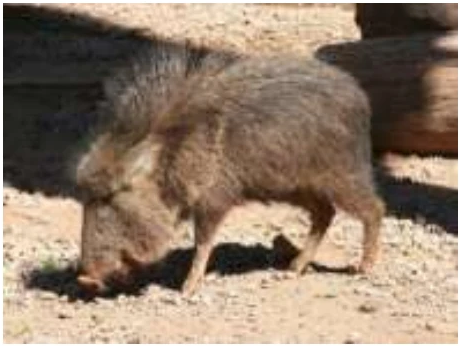
English name: peccary also javelina or skunk pig
Scientific name: Tayassuidae
Haram to eat
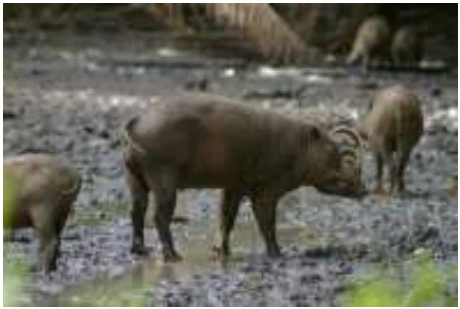
English name: babirusas, also called pig- deer
Scientific name: Babyrousa
Haram to eat
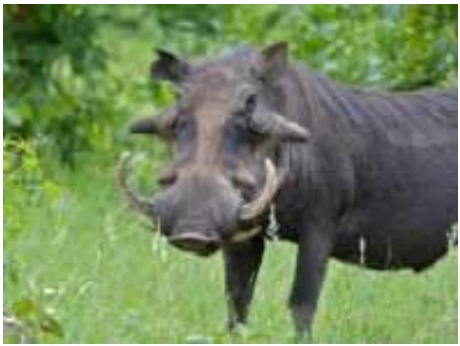
English name: common warthog
Scientific name: Phacochoerus africanus
Haram to eat
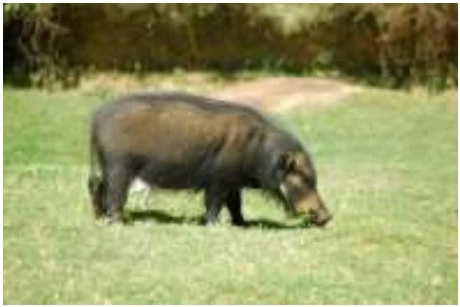
English name: Giant forest hog
Scientific name: Hylochoerus meinertzhageni
Haram to eat
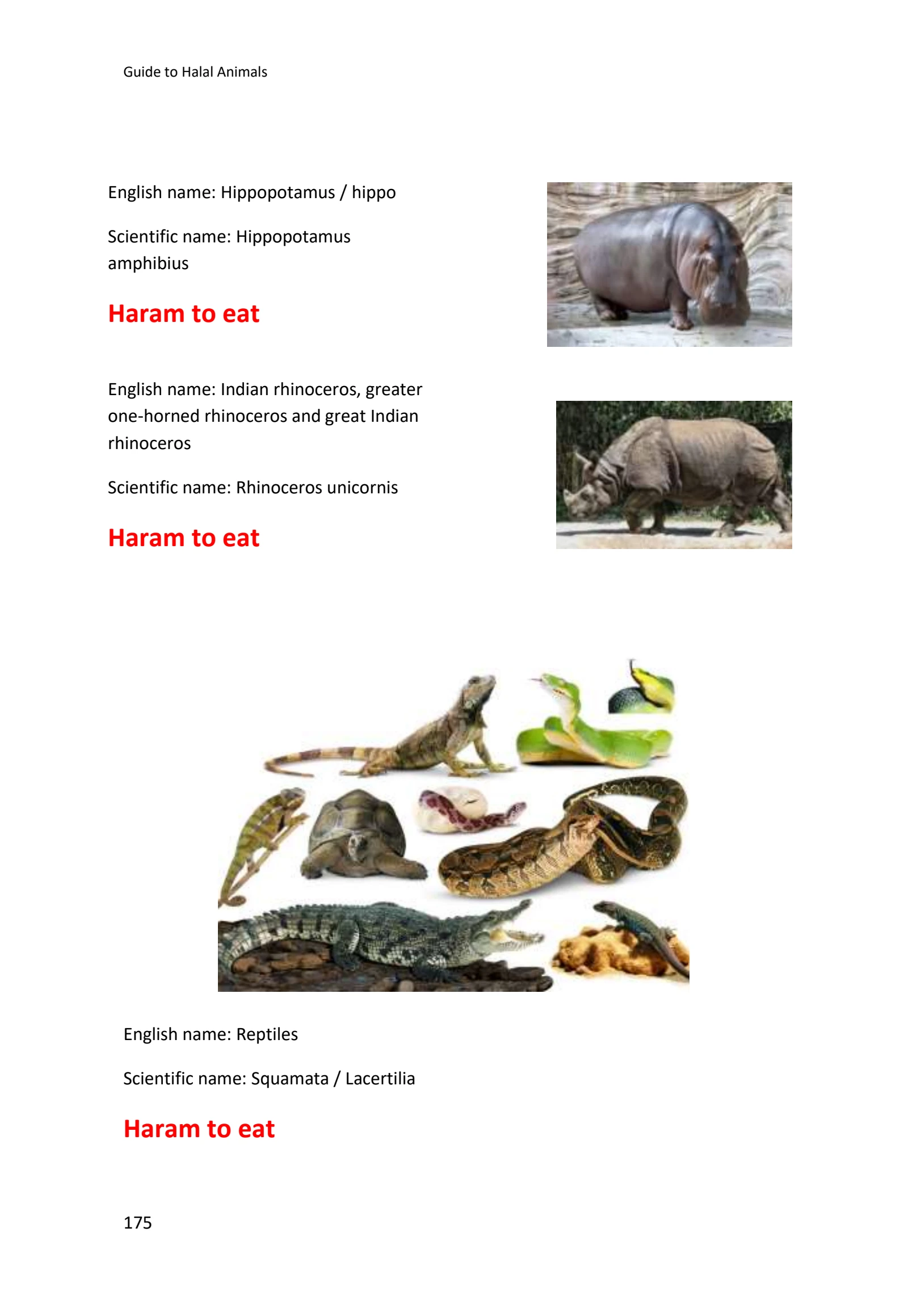
English name: Hippopotamus / hippo
Scientific name: Hippopotamus amphibius
Haram to eat
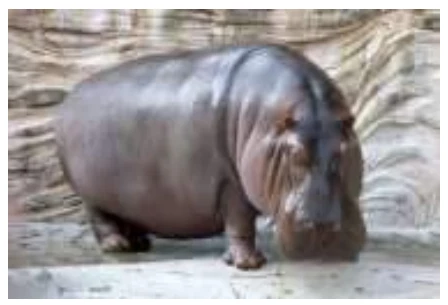
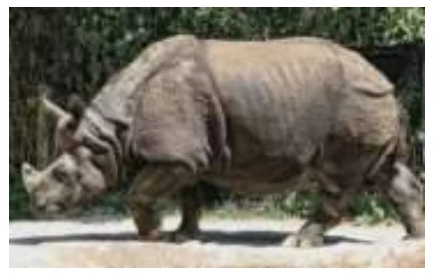
English name: Indian rhinoceros, greater one-horned rhinoceros and great Indian rhinoceros
Scientific name: Rhinoceros unicornis
Haram to eat
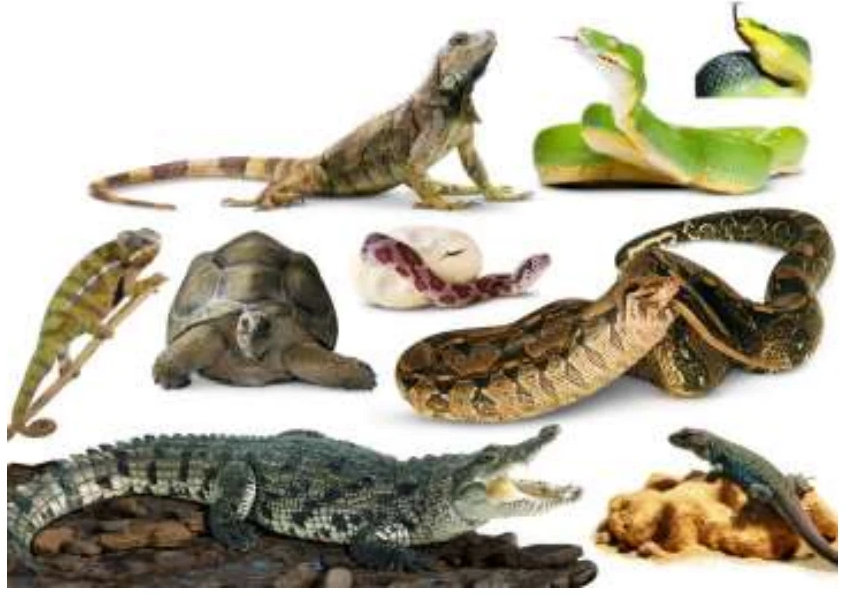
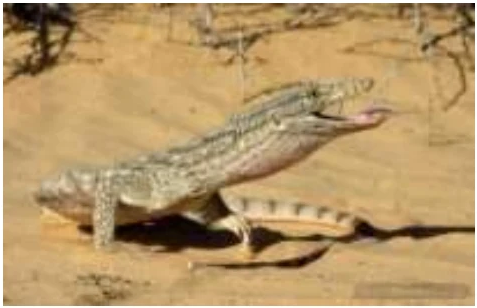
English name: Reptiles
Scientific name: Squamata / Lacertilia
Haram to eat
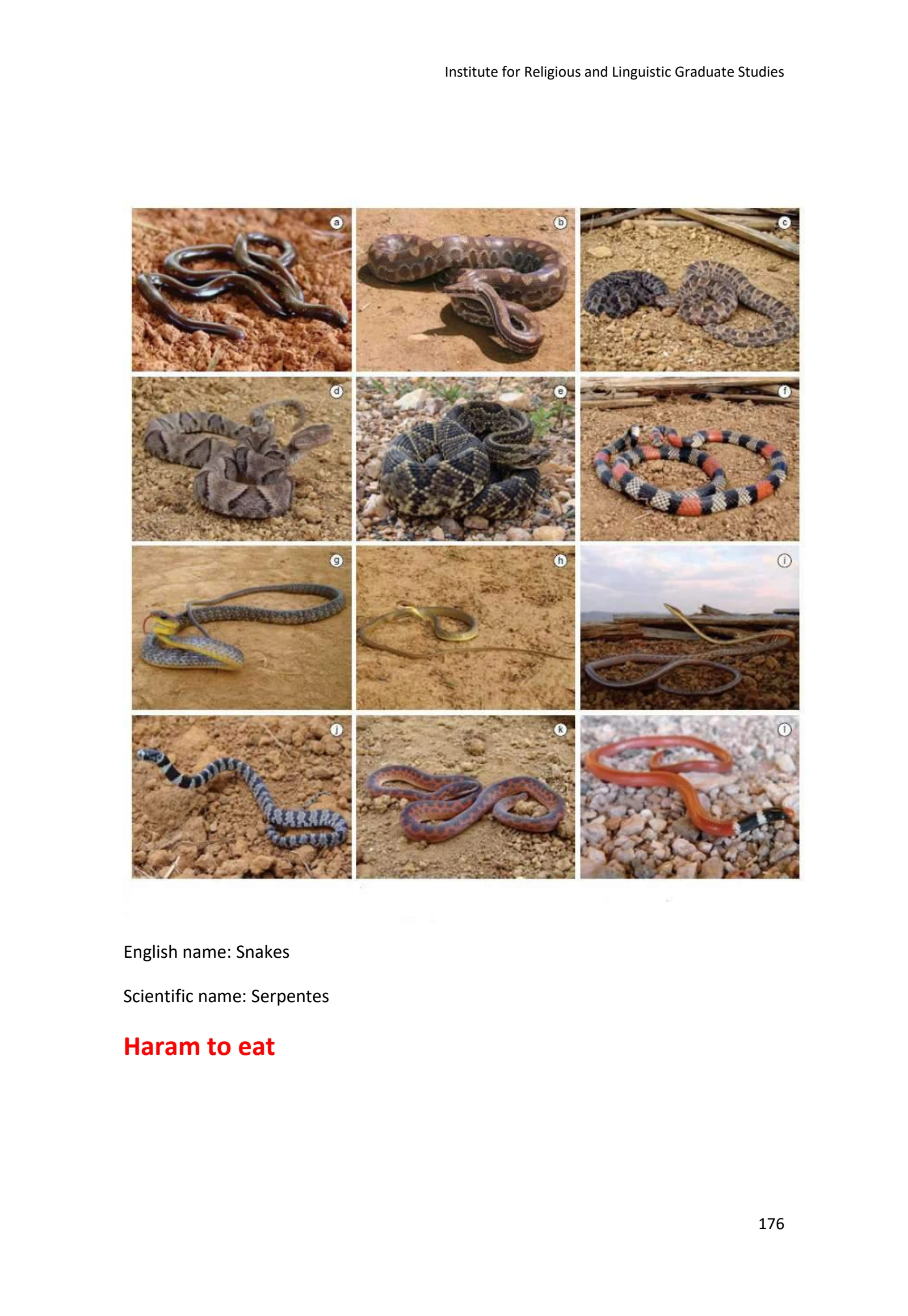
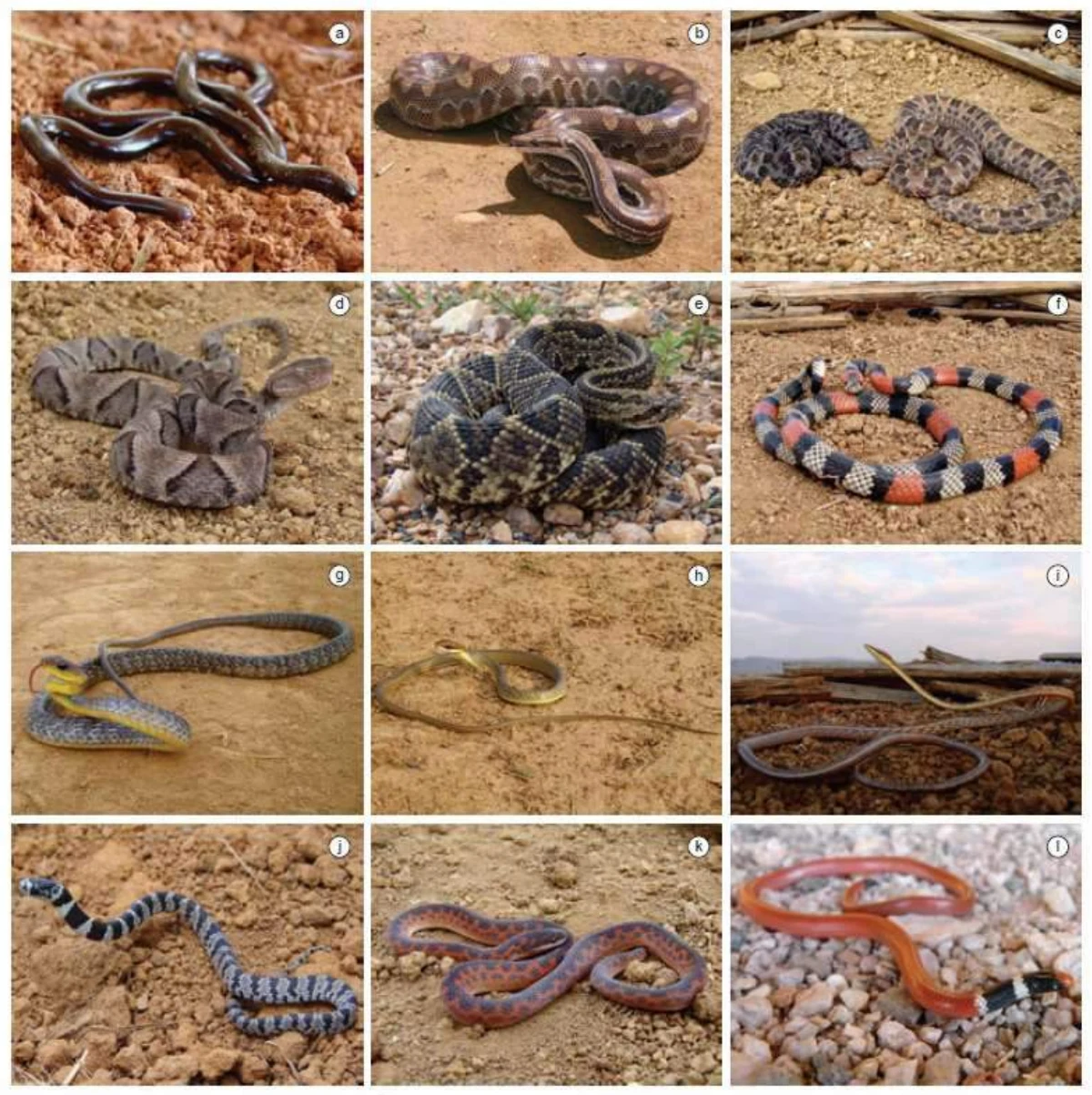
English name: Snakes
Scientific name: Serpentes
Haram to eat
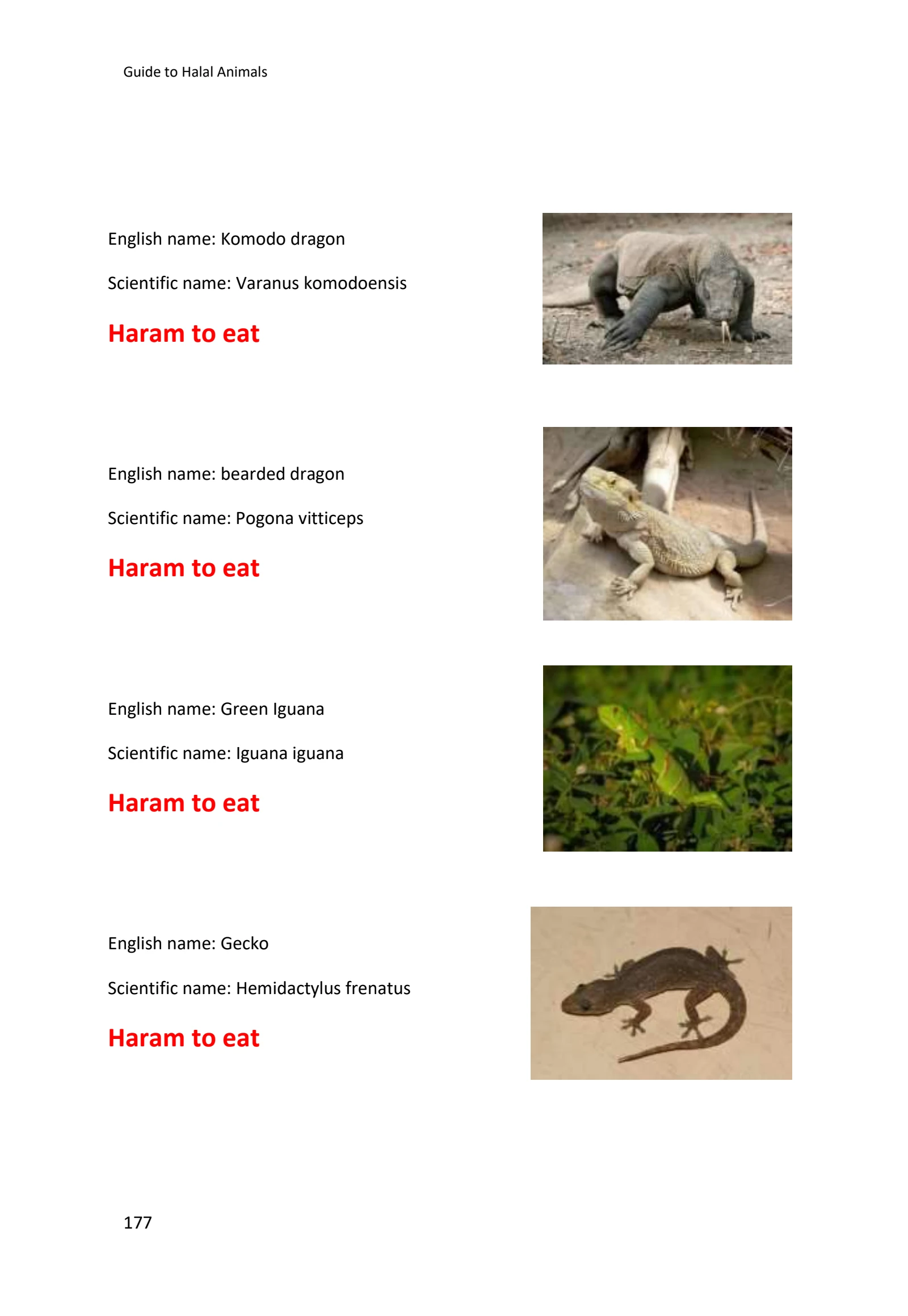
English name: Komodo dragon
Scientific name: Varanus komodoensis
Haram to eat
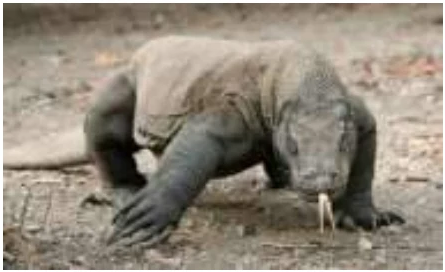
English name: bearded dragon
Scientific name: Pogona vitticeps
Haram to eat
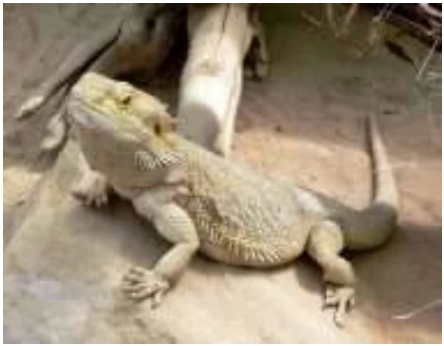
English name: Green Iguana
Scientific name: Iguana iguana
Haram to eat
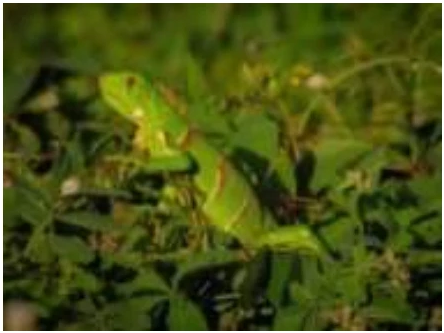
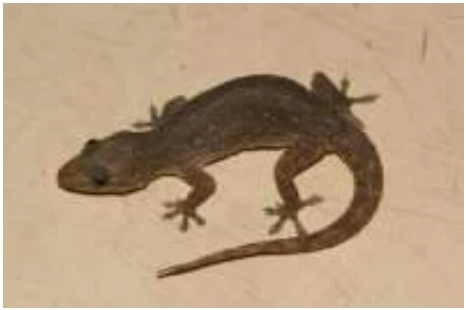
English name: Gecko
Scientific name: Hemidactylus frenatus
Haram to eat
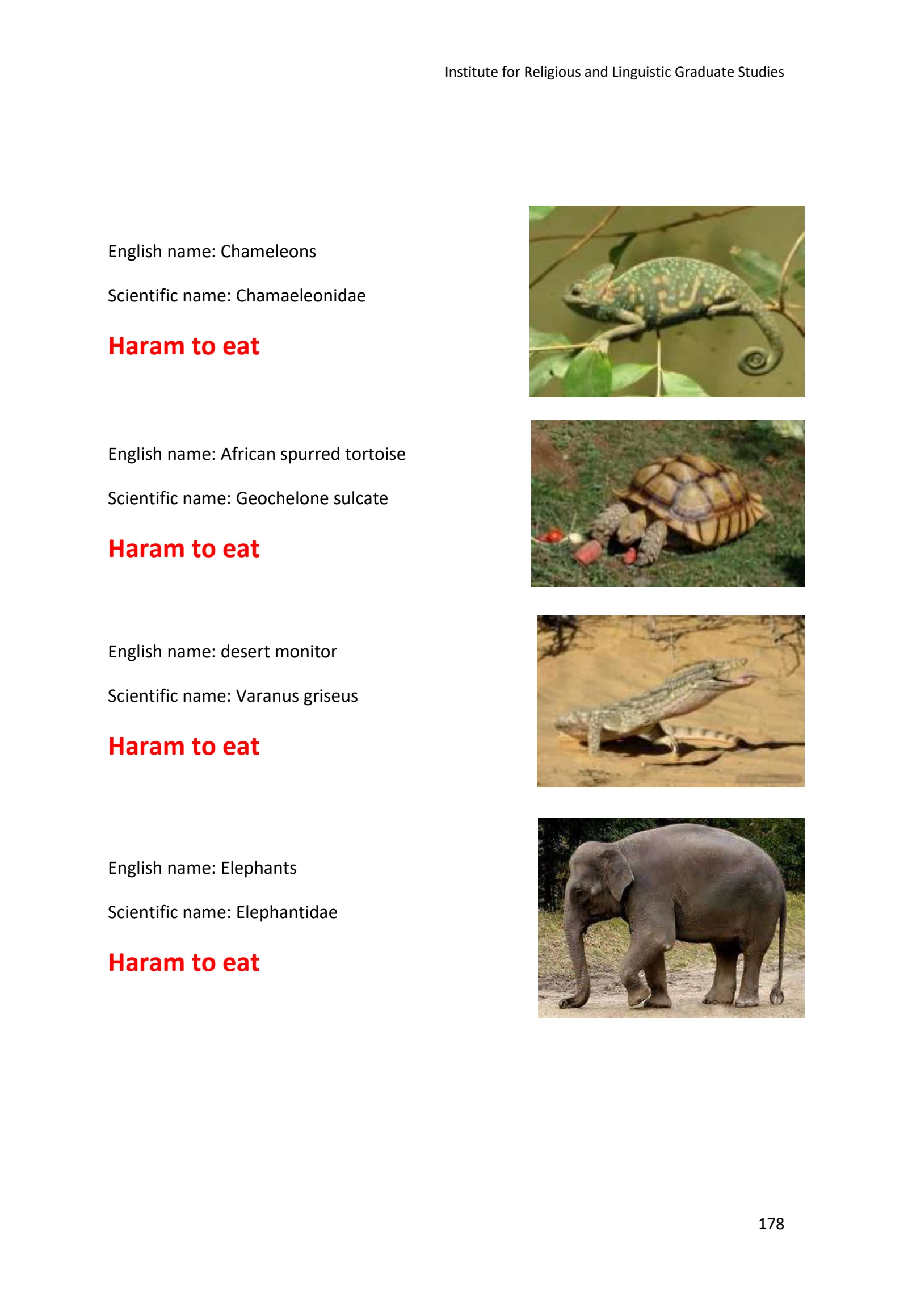
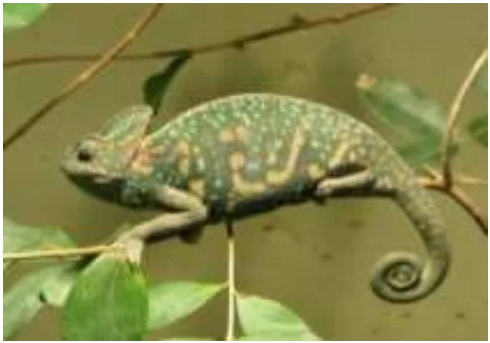
English name: Chameleons
Scientific name: Chamaeleonidae
Haram to eat
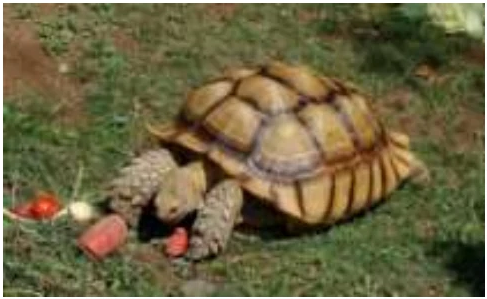
English name: African spurred tortoise
Scientific name: Geochelone sulcate
Haram to eat
English name: desert monitor
Scientific name: Varanus griseus
Haram to eat
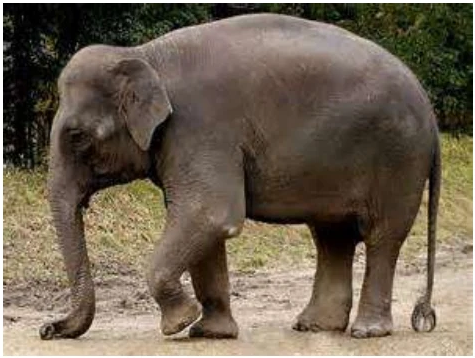
English name: Elephants
Scientific name: Elephantidae
Haram to eat
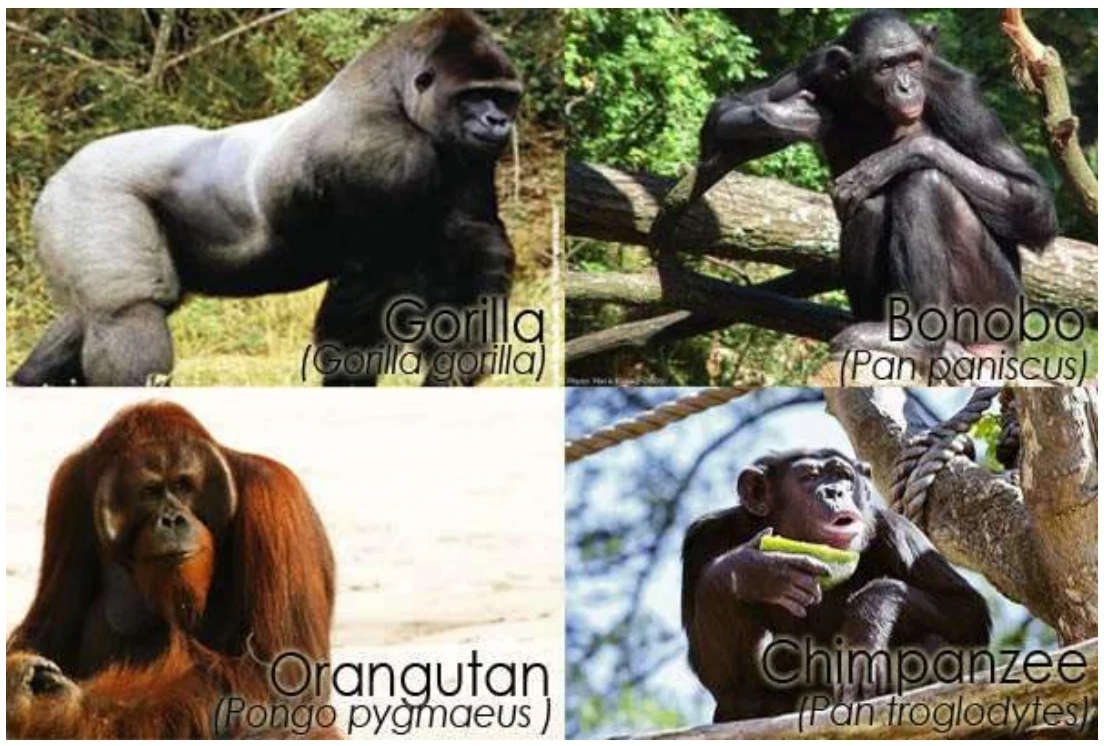
English name: Orangutan; Gorilla, chimpanzee, bonobo
Scientific name: Hominidae / Pan troglodytes, Pongo, Pan paniscus
Haram to eat
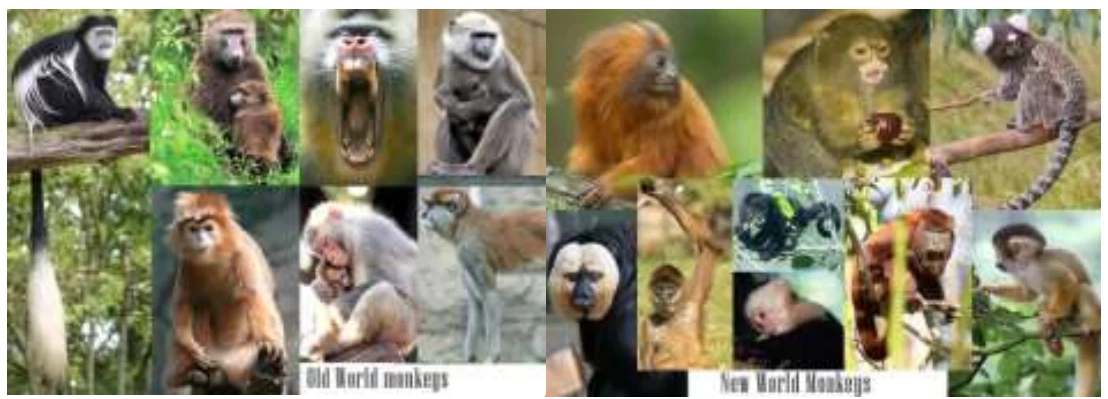
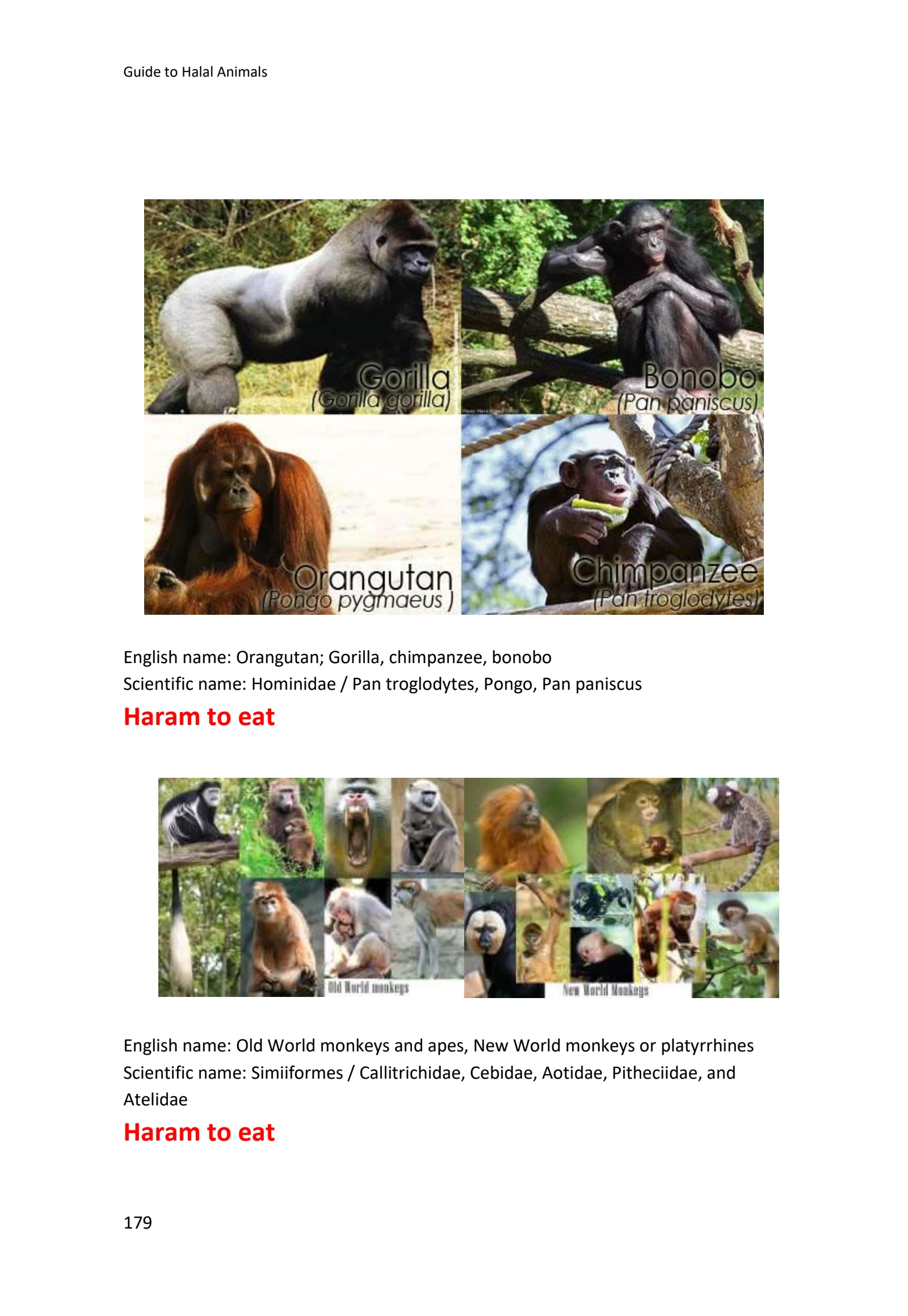
English name: Old World monkeys and apes, New World monkeys or platyrrhines
Scientific name: Simiiformes / Callitrichidae, Cebidae, Aotidae, Pitheciidae, and Atelidae
Haram to eat
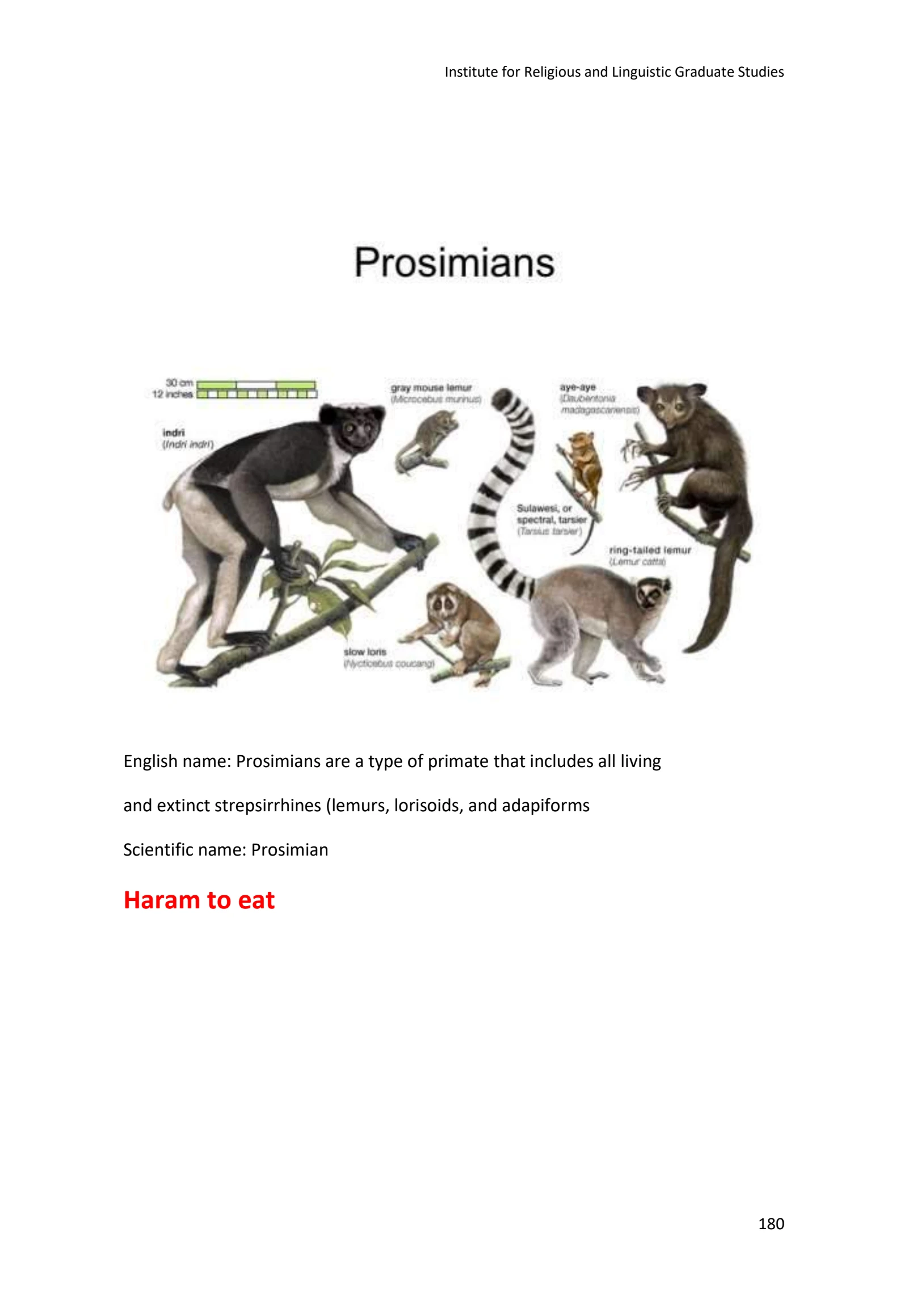
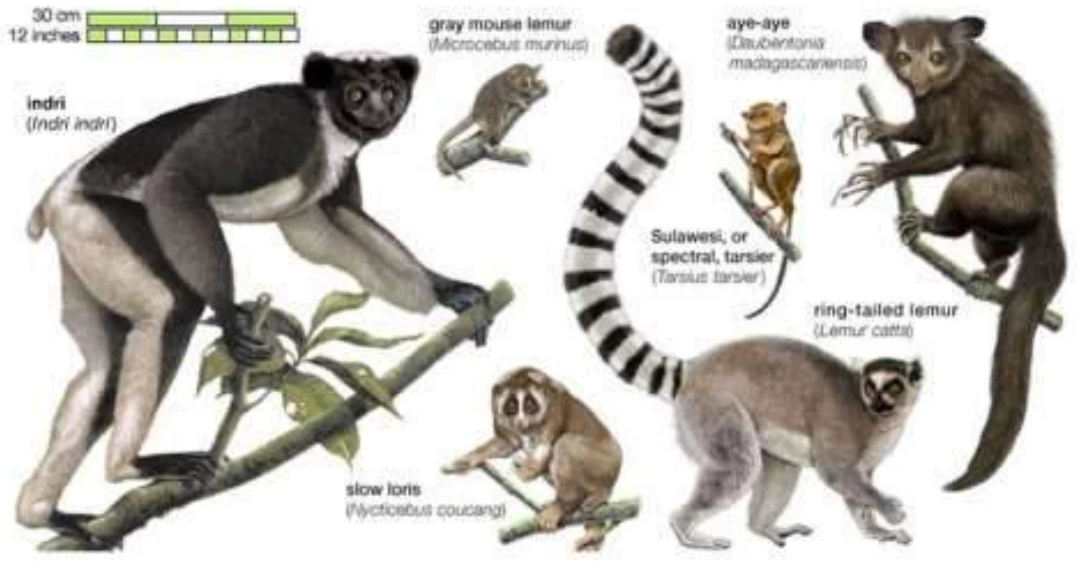
English name: Prosimians are a type of primate that includes all living
and extinct strepsirrhines (lemurs, lorisoids, and adapiforms
Scientific name: Prosimian
Haram to eat

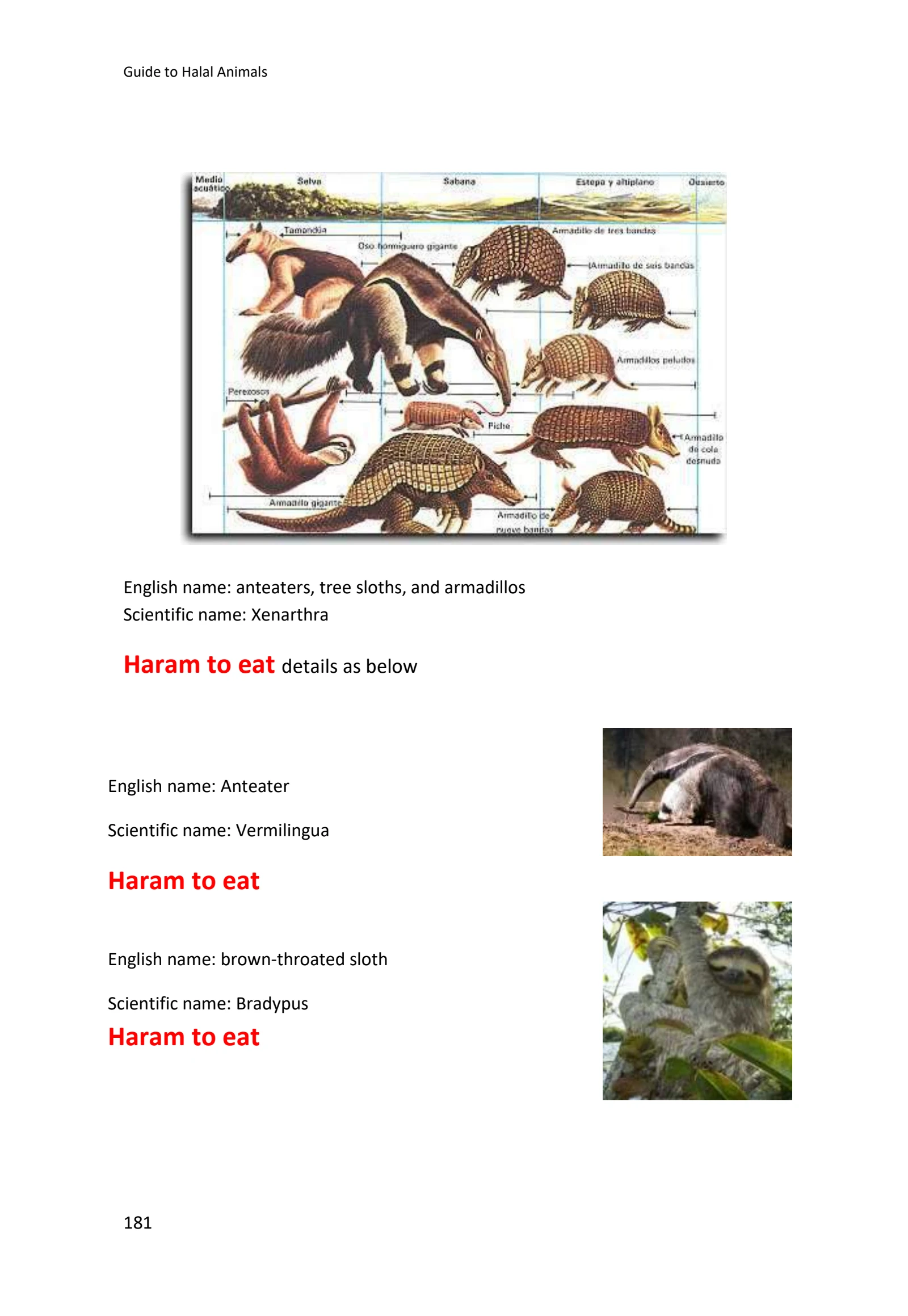
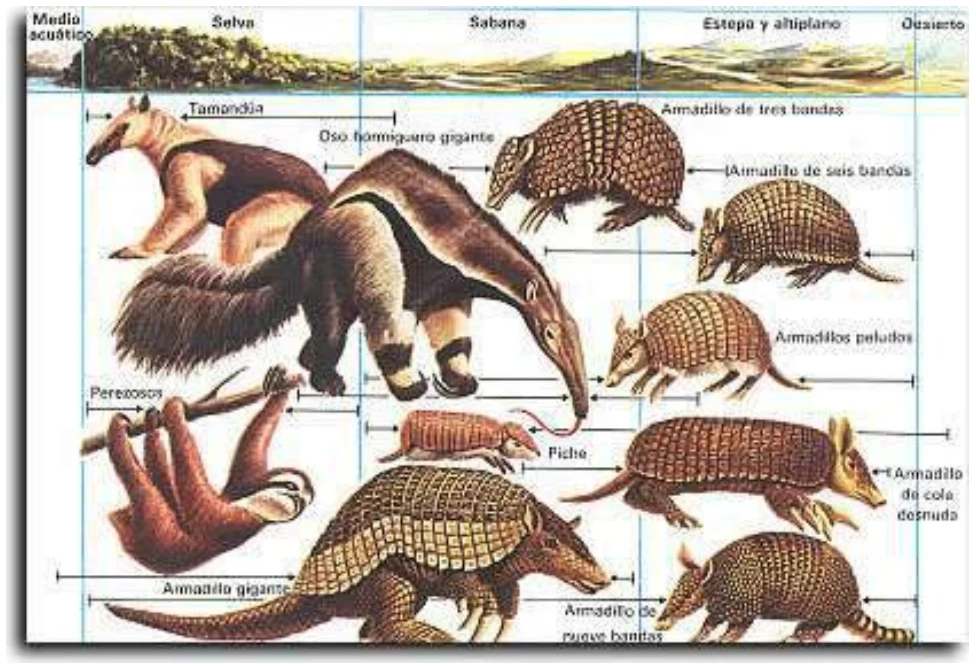
English name: anteaters, tree sloths, and armadillos
Scientific name: Xenarthra
Haram to eat details as below
English name: Anteater
Scientific name: Vermilingua
Haram to eat
English name: brown-throated sloth
Scientific name: Bradypus
Haram to eat
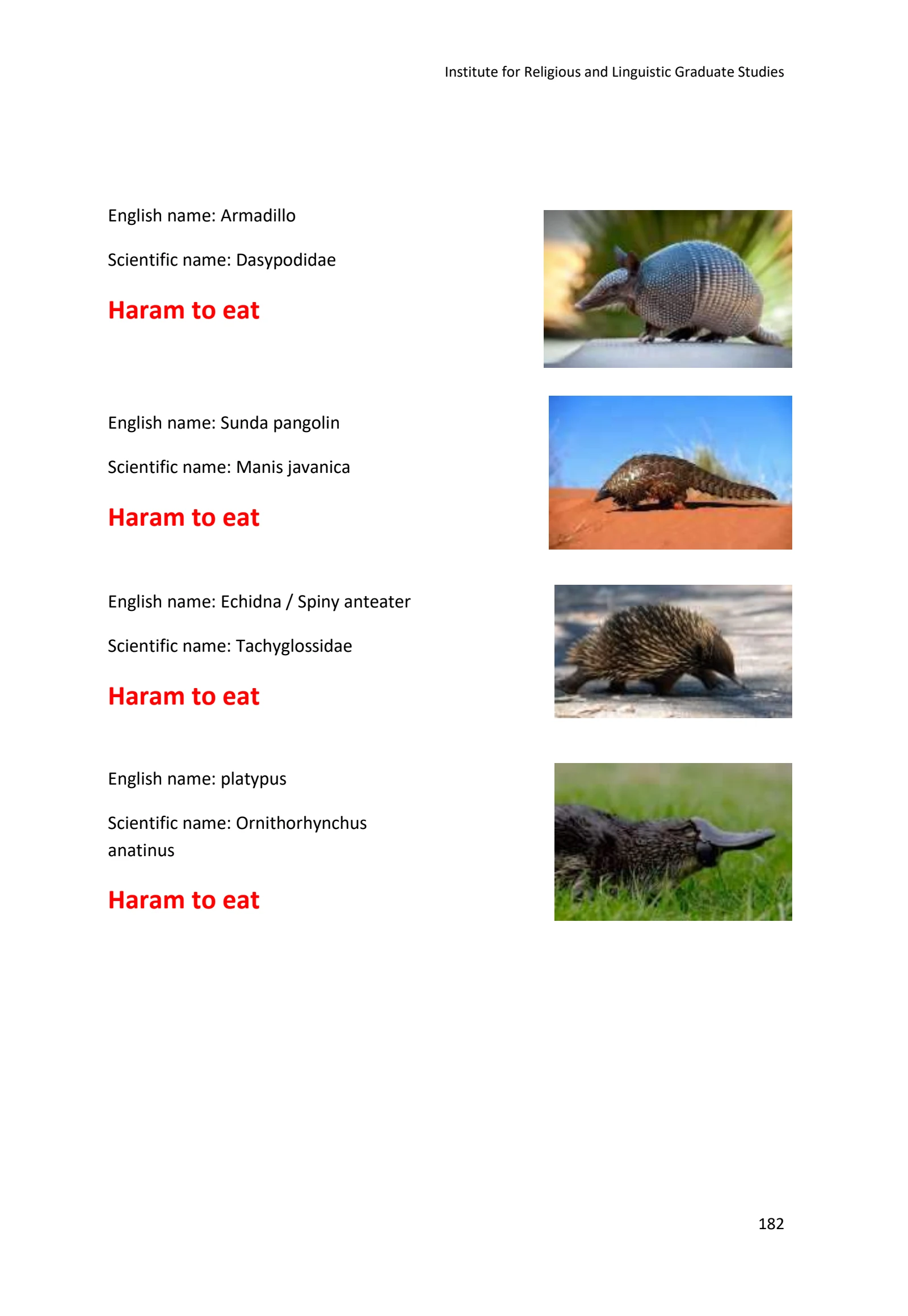
English name: Armadillo
Scientific name: Dasypodidae
Haram to eat
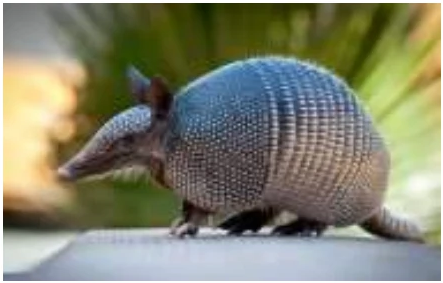
English name: Sunda pangolin
Scientific name: Manis javanica
Haram to eat
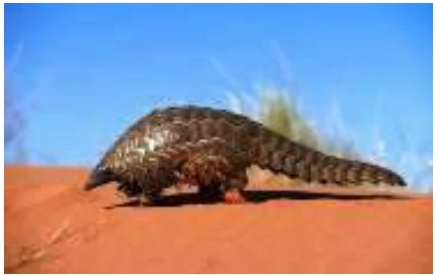
English name: Echidna / Spiny anteater
Scientific name: Tachyglossidae
Haram to eat
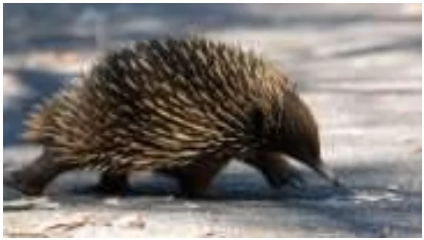
English name: platypus
Scientific name: Ornithorhynchus anatinus
Haram to eat
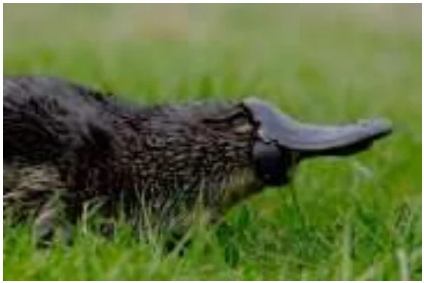
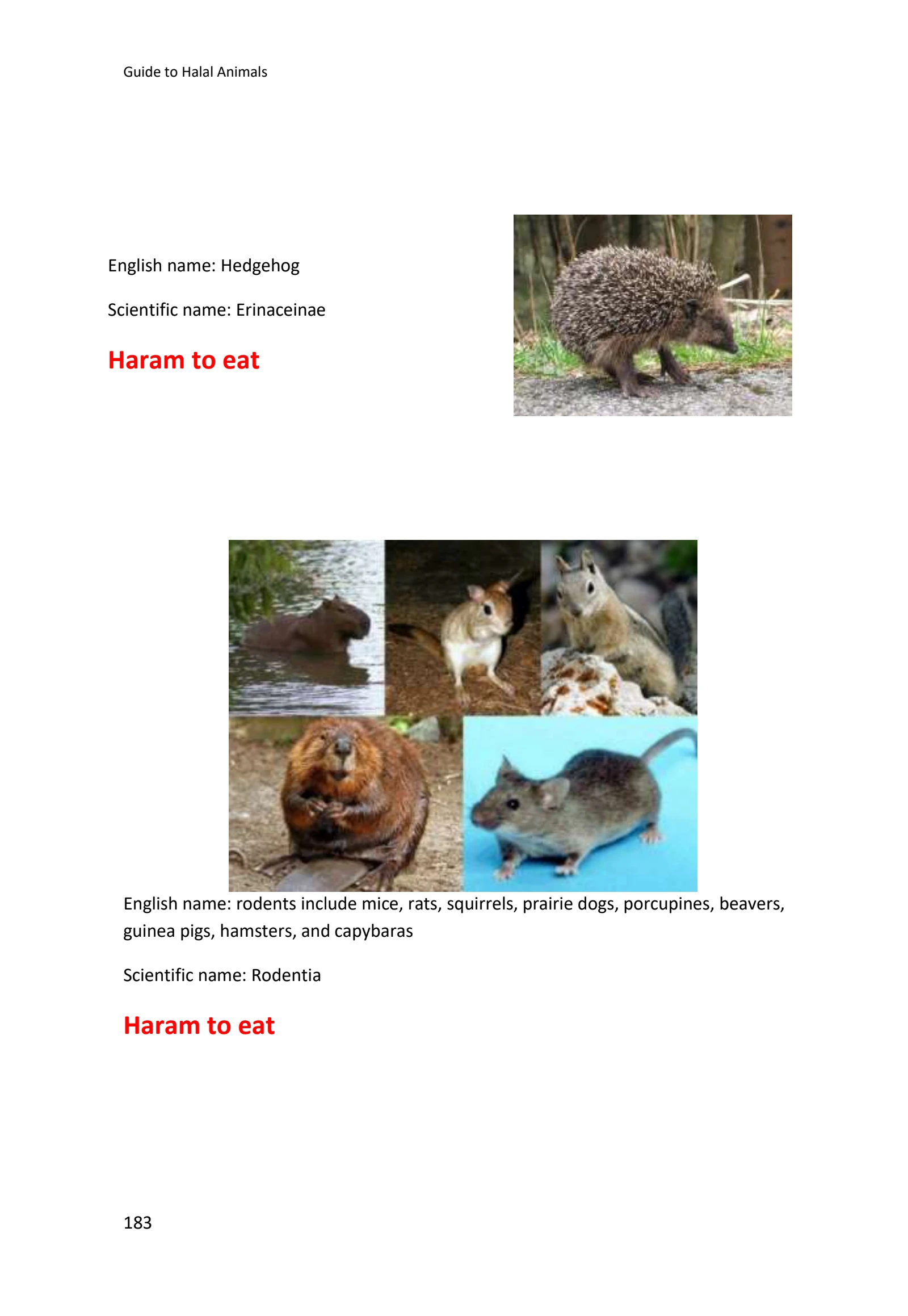
English name: Hedgehog
Scientific name: Erinaceinae
Haram to eat
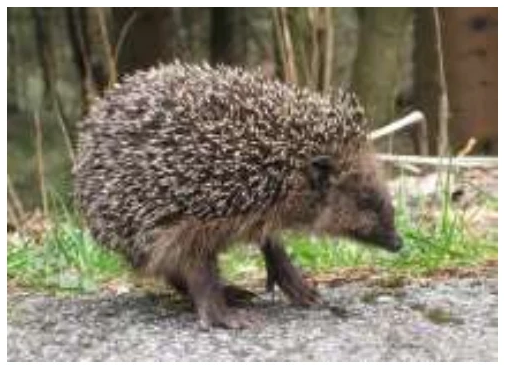
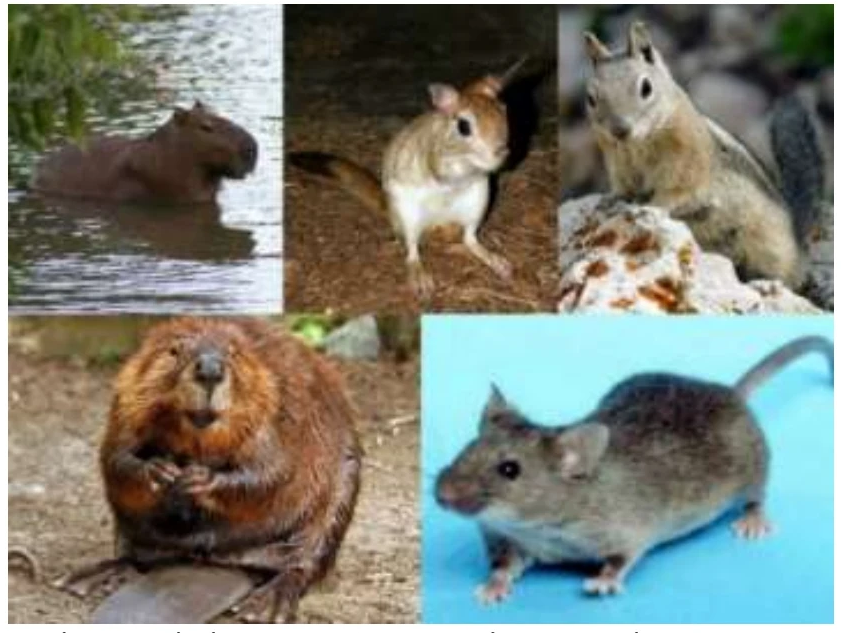
English name: rodents include mice, rats, squirrels, prairie dogs, porcupines, beavers, guinea pigs, hamsters, and capybaras
Scientific name: Rodentia
Haram to eat